Concrete Contractor · Fort Worth, TX
Stamped & Decorative Concrete in Fort Worth, TX
Concrete & Paving South Fort Worth coordinates stamped concrete and decorative concrete for patios, driveways, and pool decks across Forest Hill, Benbrook, Crowley, and the wider Fort Worth metro — 15 years of local coordination, calls answered 24 hours a day at (817) 207-5313. The pitch is simple: a stamped or stained slab reads as cut stone, brick pavers, weathered slate, or hand-laid wood plank from the curb, without the material cost or the ongoing joint maintenance those products carry. Homeowners weighing pavers against poured concrete are usually surprised how close the look gets for meaningfully less money, especially across a large patio or driveway footprint where per-unit stone or paver pricing adds up fast.
Decorative work raises the stakes on what's underneath it. Tarrant County sits on expansive 'black gumbo' clay from the Cretaceous Eagle Ford and Woodbine formations, with clay content that frequently tops 50%, and that clay swells wet and shrinks hard through a dry Texas summer, moving several inches seasonally. On plain gray flatwork a stress crack is a cosmetic annoyance; on a stamped stone pattern or a smooth stained surface, that same crack runs straight through a grout line or a color field and becomes the first thing anyone notices. That's why control-joint spacing, base compaction, and reinforcement get even closer attention on decorative pours than on a standard slab — the finish has nowhere to hide a mistake in the base.
This page covers the decorative and stamped side of the business specifically — patterns, color, and texture applied to a slab, whichever surface it's poured over. If the question is really about slab size, thickness, or where the concrete goes, the concrete driveways and concrete patios pages cover those surface types in depth; either one can be finished plain, stamped, stained, or exposed-aggregate, and this page is where that finish decision gets made. Coordinated crews work from the same manufacturer systems used across the decorative-concrete industry — Butterfield Color and Brickform color-hardener and release-agent lines — rather than mixing dye into a batch on the fly.
Stamped patterns run from ashlar-slate and cobblestone to running-bond brick and wood-plank; color comes from an integral or dry-shake color hardener broadcast before stamping, or from an acid or water-based stain applied after the pour cures. Broom finish stays the standard for a slip-resistant plain patio or driveway, while a smooth trowel finish suits a stained interior-style look on a covered patio. Crews working to ACI flatwork finishing standards handle the timing decorative work demands — color hardener, texture skins, and release agent all have to go down in the narrow window while the slab is still plastic, which is a different skill set than finishing plain gray concrete.
What We Do
Our Stamped & Decorative Concrete Services in Fort Worth
Decorative concrete isn't one technique — pattern, color, and texture are three separate decisions that get combined to hit a look. Here's how the coordinated crews scope each one.
Stamped Concrete Patterns
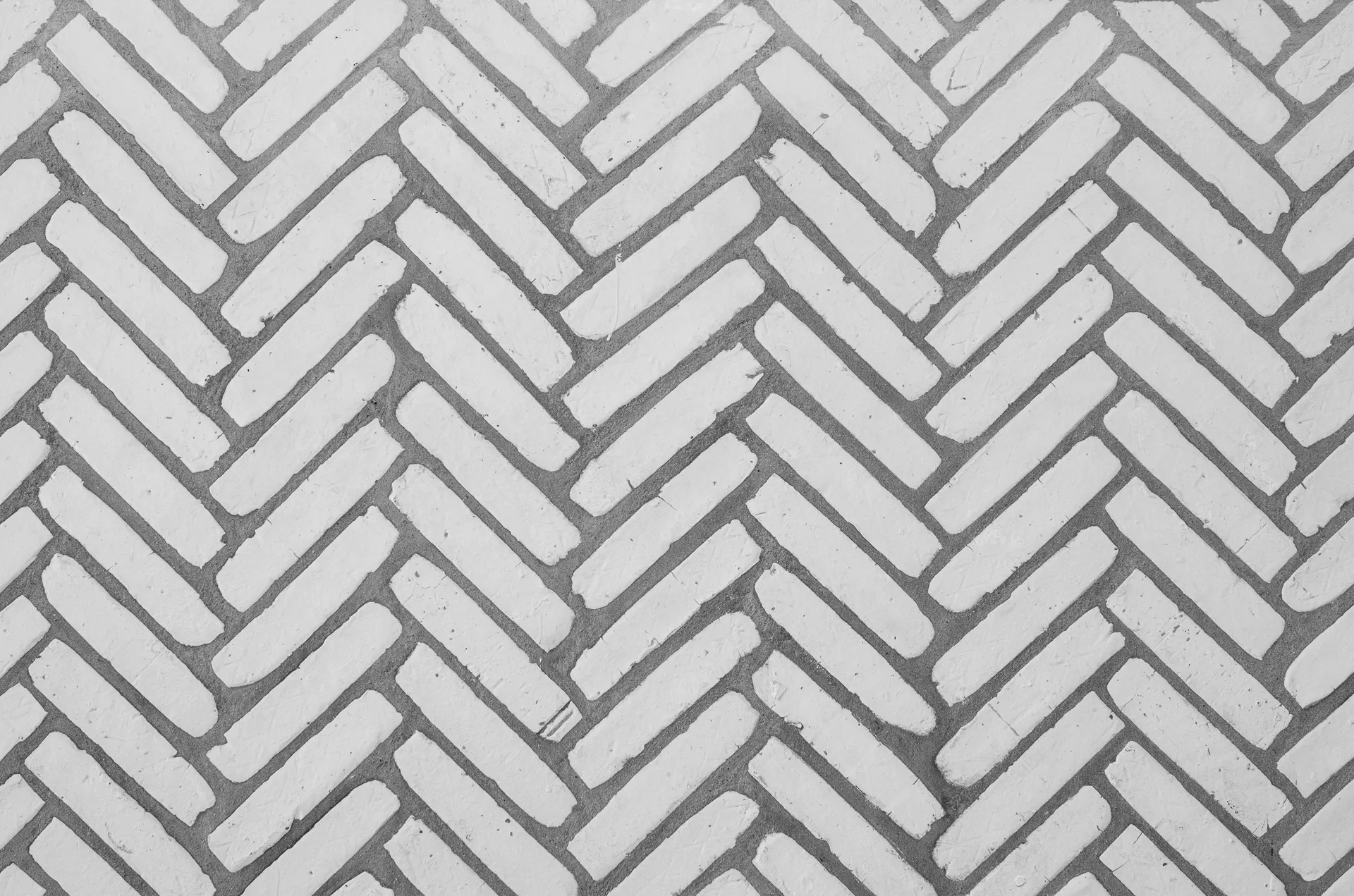
Patios, driveways, and walkways stamped in ashlar-slate, cobblestone, running-bond brick, or wood-plank patterns run $8 to $18 per square foot for a patio and $12 to $25 per square foot for a driveway. A color hardener and texture skin go down while the concrete is still plastic, then joints get cut to mimic mortar lines while still functioning as control joints.
Stained & Integrally Colored Concrete
Integral color gets mixed into the batch before the pour for a consistent, all-the-way-through tone; acid or water-based stain gets applied after cure for a mottled, variegated look with more depth. Butterfield Color and Brickform systems supply both routes. Broom finish keeps a stained patio or driveway slip-resistant; a smooth trowel finish suits a covered, interior-style stained floor.
Exposed-Aggregate & Textured Finishes
Washing or lightly acid-etching the surface exposes the coarse aggregate underneath for a naturally textured, slip-resistant finish — a common pick for pool decks and walkways where wet footing matters. Exposed-aggregate work can be seeded with a decorative gravel blend or left to reveal the standard ready-mix aggregate, both finished to spec by the coordinated crews.
The Benefits
Why Decorative Concrete Pays Off in Fort Worth
The appeal is the look-for-less math, but it only holds up if the slab underneath is built for South Fort Worth's ground. Here's what actually protects that investment.
Stone, Brick & Slate Looks at a Fraction of the Cost
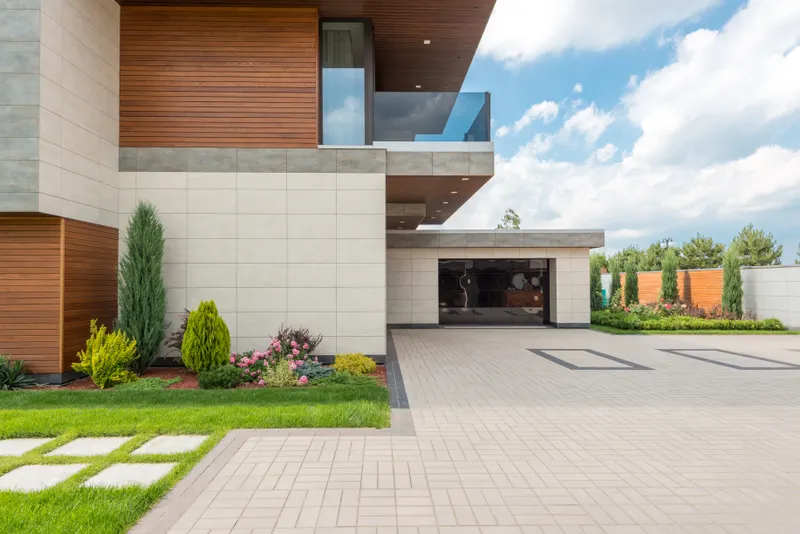
Decorative concrete runs $8 to $18 per square foot installed — well under natural stone or clay paver material costs for an equivalent patio or driveway footprint, especially once paver base prep and labor are added in. A stamped and colored slab reads as cut stone or brick from a few feet away, at a fraction of the cost.
Built to Hold Up on Tarrant County's Black Gumbo Clay
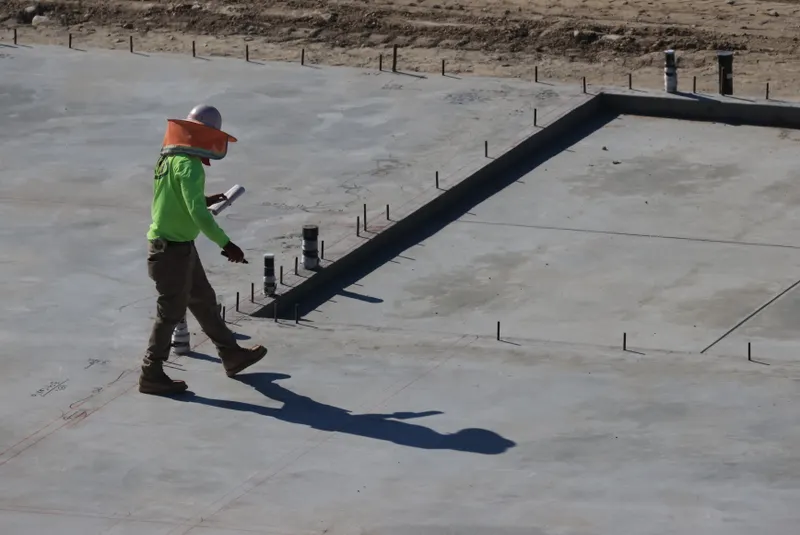
A stamped pattern's grout lines double as control joints, but they still have to land at correct spacing — roughly 2 to 3 times the slab thickness in feet — over a properly compacted base. Skip that on the expansive clay under Forest Hill and Benbrook, and the slab cracks off-pattern instead of along a joint, far more visible on a stamped surface than on plain flatwork.
Reseal Every 2-3 Years to Protect the Investment
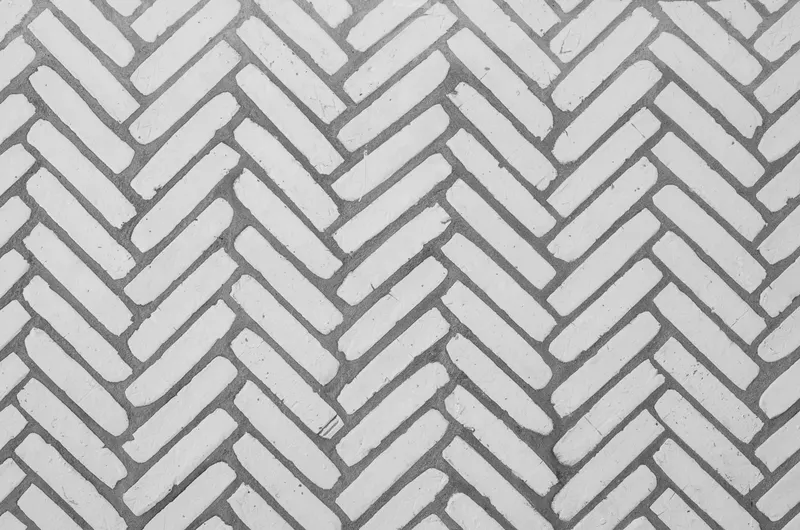
A quality sealer keeps stamped color from fading under Texas UV and keeps moisture out of the texture skin's fine detail. Resealing typically runs $200 to $600 per treatment and holds up best on a 2-to-3-year cycle — cheap protection against a full re-stain job once a sealer's worn through.
Why Us
Why Fort Worth Chooses Us for Stamped & Decorative Concrete
Decorative work punishes a rushed pour in a way plain flatwork doesn't — the finish window is short and unforgiving, so who's on the crew actually matters here.
Decorative Finishers Who Work Stamped Concrete Regularly
Stamping, color-hardener broadcast, and release-agent application all happen inside the narrow plastic window before concrete sets, and rushing or missing that window shows up permanently in the finished pattern. The crews coordinated here work to ACI flatwork finishing standards, with decorative jobs run by finishers who work stamped and stained concrete regularly, not occasionally.
Butterfield Color & Brickform Product Lines
Color hardener, release agent, stamping mats, and stains all come from established manufacturer systems — Butterfield Color and Brickform — rather than a generic mix improvised on site. That means predictable, repeatable color and texture, and a documented product line if a touch-up or color match is ever needed years later.
Upfront Written Quotes on Every Decorative Job
The concrete crews coordinated for every decorative job are named before work starts — never a subcontractor pulled off a random dispatch board — and every stamped, stained, or exposed-aggregate job gets a written quote covering pattern, color, base prep, and sealing before ready-mix is ordered. Dispatch answers 24 hours a day for scheduling and questions.
Not sure whether the job needs stamping and color at all, versus a straightforward pour? The concrete driveways and concrete patios pages cover slab sizing, base prep, and plain-finish pricing for those surfaces, and either can be dressed up with anything on this page once the surface itself is scoped. Homeowners near Benbrook Lake asking about a stamped or exposed-aggregate pool deck are a common call here, and the same base-and-joint standards apply whether the job sits in Benbrook, Forest Hill, or Crowley. For the full service lineup, see our services — it's the same South Fort Worth concrete crew network behind every stamped patio, driveway, and pool deck on this page. Call (817) 207-5313 and describe the look you're after; a dispatcher can usually tell within a few minutes whether it's a pattern, a stain, or an exposed-aggregate finish that fits.
Frequently Asked Questions
How much does stamped or decorative concrete cost in Fort Worth?
Decorative concrete generally runs $8 to $18 per square foot installed, while a stamped driveway runs higher, at $12 to $25 per square foot, since driveways carry vehicle loading and need a thicker structural section. A simple broom-finished patio costs less than a heavily stamped, multi-color pattern with an exposed-aggregate border. We quote pattern, color, base prep, and sealing as one written number before any ready-mix is ordered.
Is stamped concrete cheaper than pavers or natural stone?
Yes, in most cases. Stamped and colored concrete at $8 to $18 per square foot typically undercuts clay paver or natural stone material costs for an equivalent patio or driveway footprint, especially once paver base prep, edge restraints, and per-unit labor get added to a stone or paver quote. Concrete also skips the joint-sand and paver-shifting maintenance that comes with individual units. The tradeoff is repair scope — a cracked paver swaps out individually, while a cracked stamped slab needs a section repair or full replacement of that panel.
What stamped concrete patterns are available?
Common patterns include ashlar-slate, cobblestone, running-bond and herringbone brick, and wood-plank textures, applied with stamping mats pressed into the surface while the concrete is still plastic. Pattern choice usually follows the house style — a wood-plank stamp reads naturally next to a covered patio, while ashlar-slate or cobblestone suits a driveway or front walkway. We bring sample boards to the site evaluation so a pattern and color combination can be seen before it's committed to a full pour.
What's the difference between integral color and a concrete stain?
Integral color is mixed into the batch before the pour, giving a consistent tone all the way through the slab, so a chip or wear spot doesn't reveal a different color underneath. Stain — acid or water-based — is applied after cure and reacts with the surface, producing a mottled, variegated look with more depth. Butterfield Color and Brickform supply both systems, and the two can be combined.
What is exposed-aggregate concrete and when does it make sense?
Exposed-aggregate finishing washes or lightly etches the top layer of cured concrete off the surface, revealing the coarse aggregate underneath for a naturally textured, slip-resistant finish. It's a common pick for pool decks and walkways specifically because wet footing needs more traction than a smooth trowel finish provides. The aggregate can be the standard ready-mix stone or a seeded decorative gravel blend chosen up front, and either way the texture itself does the slip-resistance work rather than a coating.
Broom finish or smooth finish — which is right for my patio or driveway?
Broom finish drags a stiff-bristle broom across curing concrete to leave fine texture lines, and it's the standard choice for any driveway, walkway, or open patio because that texture provides slip resistance in rain. Smooth trowel finish is worked to a flat, polished surface and suits a covered patio or interior-style stained floor where wet-weather traction isn't a factor. Stamped work uses a texture skin instead of either standard finish, so the broom-versus-smooth choice mainly applies to plain or stained flatwork.
How often does stamped or decorative concrete need to be resealed?
Plan on resealing every 2 to 3 years, running roughly $200 to $600 per treatment depending on square footage and sealer type. Sealer protects stamped color and texture from fading under Texas UV and keeps moisture out of the surface; a worn sealer shows up as dulling color and a rougher, porous feel. Staying on the cycle is cheaper than letting a sealer fail and needing a full re-stain job.
Does stamped concrete crack on Tarrant County's expansive clay?
It can, the same as any concrete, if the base and joints aren't matched to the ground underneath. Tarrant County's black gumbo clay often exceeds 50% clay content and swells and shrinks seasonally by several inches, so subgrade compaction and control-joint spacing matter more here than in less reactive soils. A stamped pattern's grout lines double as those joints, but only when laid out correctly over a prepped base.
How long does a stamped or decorative concrete job take, and when can I use it?
Most stamped or decorative jobs take 2 to 4 days on site, longer than plain flatwork because of the extra stamping, coloring, and detail-finishing steps involved. Light foot traffic is typically fine 24 to 48 hours after the pour, and light vehicle traffic around 7 days, when the slab has reached roughly 70% of its design strength. Sealing has to wait until the concrete has fully cured, generally 28 or more days out, since sealing too early traps moisture and interferes with the cure.
Can you add stamping or color to my existing concrete driveway or patio?
It depends on the condition of what's there. A structurally sound existing slab can sometimes take a decorative overlay or resurfacing treatment that adds texture and color without a full tear-out, which is covered in more depth on our concrete repair and resurfacing work. But a cracked, settled, or heaved slab needs to be addressed at the base first — stamping or staining over a failing slab just decorates a problem that's going to keep moving. A site evaluation tells us which situation applies before we quote either approach.
Is stamped or exposed-aggregate concrete slippery around a pool?
Properly finished stamped and exposed-aggregate concrete is generally more slip-resistant than a smooth trowel finish, which is exactly why exposed-aggregate is such a common pool-deck choice — the exposed stone texture gives wet feet more traction than a flat surface. Stamped texture skins add grip in the same way, though a heavily sealed glossy finish can reduce some of that texture's benefit if too much sealer builds up. We factor deck use into the finish and sealer recommendation during the quote rather than treating every decorative job the same.
Get Your Stamped Concrete Quote, Open 24 Hours
Stamped patios and driveways, stained finishes, exposed aggregate — coordinated local crews. Call (817) 207-5313.
(817) 207-5313