Concrete Contractor · Fort Worth, TX
Concrete Patios in Fort Worth, TX
Concrete & Paving South Fort Worth coordinates concrete patios built to actually get used — backyard patio slabs, stamped and decorative patios, pool decks, and covered patio extensions — across Forest Hill, Benbrook, Crowley, and the wider Fort Worth metro. 15 years of local patio coordination, with calls answered 24 hours a day at (817) 207-5313. A patio only earns its keep if it survives a Texas summer and the ground underneath it, and that's the standard every patio poured here is held to.
Backyard concrete in South Fort Worth fights on two fronts. Above ground, months of direct Texas sun push slab surface temperatures well past the surrounding air, which is why finish selection — a broom finish underfoot, a lighter-toned stamped pattern, or a textured pool-deck overlay — matters as much on a patio as it does on a roof. Below ground, the same expansive 'black gumbo' clay running under Forest Hill, Benbrook, and Crowley, weathered from the Cretaceous Eagle Ford and Woodbine formations, swells and shrinks several inches a year under whatever sits on top of it, patio slabs included. Correctly spaced control joints, proper subgrade compaction, and rebar or welded-wire-mesh reinforcement are what keep a patio flat and crack-free instead of joining the pile of backyard slabs already heaving around the neighborhood.
This page covers concrete built specifically for outdoor living — backyard patio slabs, stamped and decorative patios, pool decks, and covered or extension slabs poured off an existing structure — finished broom, smooth-trowel, stamped, or exposed-aggregate depending on how the space gets used. Pattern and color options beyond what's outlined below live on the dedicated stamped & decorative concrete page. If what's actually needed is a structural pour — a shed pad, garage slab, or footing rather than a patio built for furniture and foot traffic — that scope is covered on concrete slabs & foundations instead.
Every patio job runs through the same sequence: site evaluation, subgrade prep and compaction, forming and reinforcement, then the pour, finish, and control-joint cut before cure begins — whether it's a simple 10x20 slab or a stamped pool deck wrapping a custom shape. The concrete crews coordinated here follow ACI 318 and ACI 332 residential standards on every pour, with a written scope and workmanship warranty before the first yard of ready-mix arrives. When South Fort Worth homeowners choose us for a new patio, they're getting a backyard space built to actually survive the ground and the heat it's poured into, not just a slab that photographs well on day one.
What We Do
Our Concrete Patio Services in Fort Worth
A backyard slab, a stamped entertaining space, and a pool deck each get finished differently. Here's how the coordinated crews scope each one for South Fort Worth's climate and clay.
Backyard Patio Slabs & Extensions
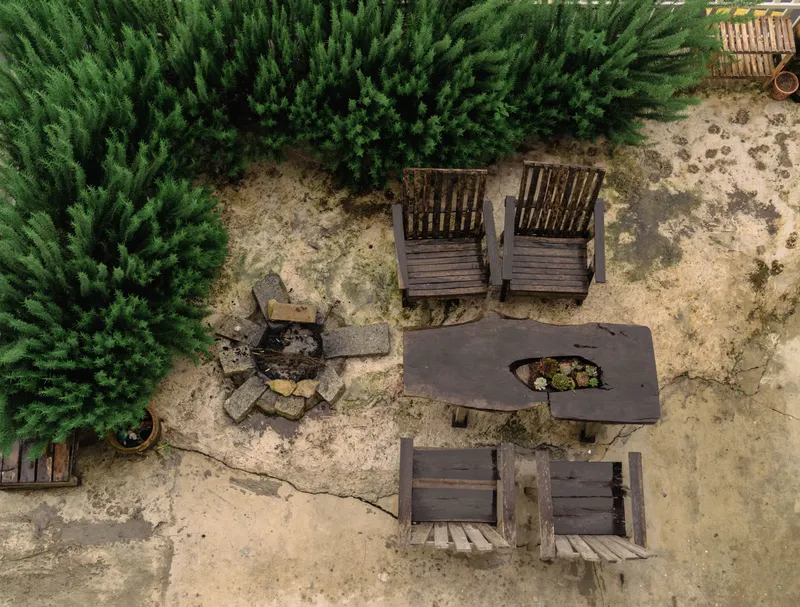
A standard backyard patio slab — plain concrete, broom or smooth-trowel finish — typically runs $800 to $2,400 for a common 10x20 layout, or roughly $5 to $10 per square foot, and takes 1 to 2 days once the base is prepped. That covers forming, reinforcement, the pour, and control joints cut to direct where the slab eventually cracks.
Covered patio and extension slabs poured off an existing house follow the same base and reinforcement standards, tied into the structure's grade so runoff sheds away from the foundation.
Stamped & Decorative Patios
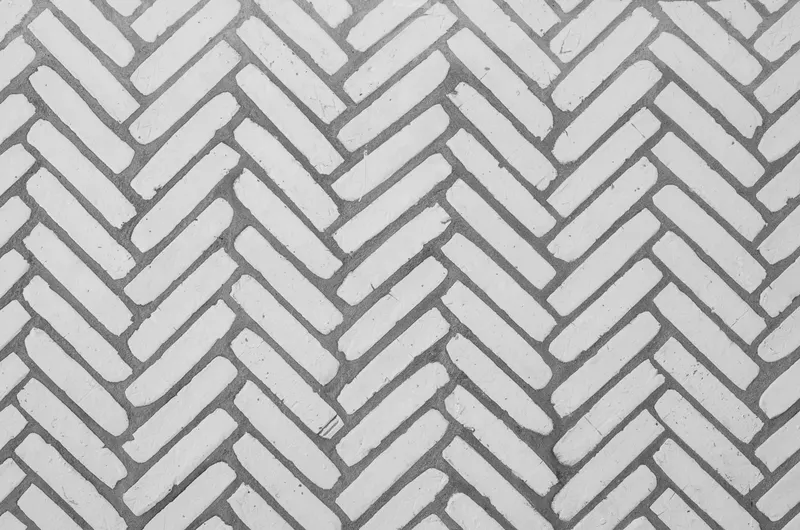
Stamped concrete patios run $3,200 to $7,600 installed for a typical 20x20 footprint, or $8 to $18 per square foot, and take 2 to 4 days since texturing and coloring add real finishing time beyond a plain pour. Pattern and color come from systems like Brickform, Butterfield Color, and Bomanite — stone, slate, or herringbone patterns pressed into the surface while it's still workable.
Because decorative work has to be textured and colored before the slab sets, timing and crew experience matter more here than on a plain patio.
Pool Deck Concrete
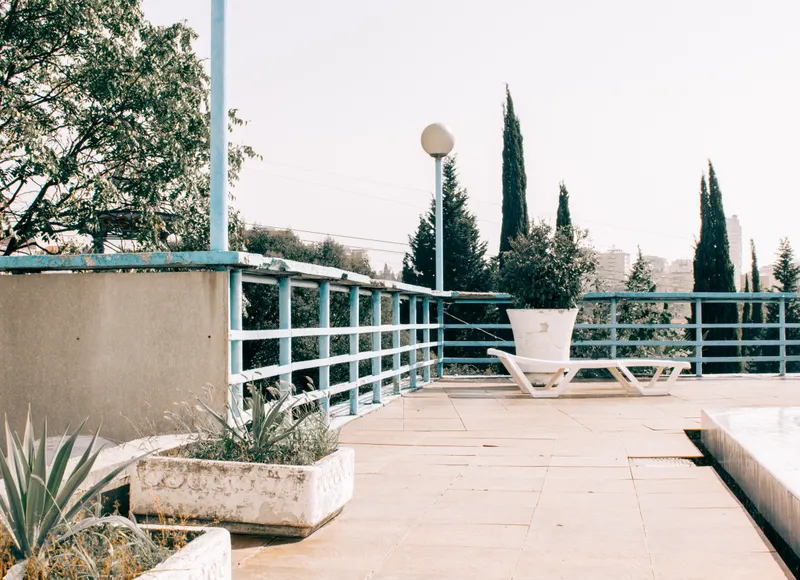
Pool decks get finished differently than a standard patio because bare feet and constant sun change what actually works — a broom finish, exposed-aggregate, or a textured overlay for slip resistance, in a lighter color that stays cooler underfoot through a Fort Worth summer than a dark, dense trowel finish. Coping, drainage slope, and expansion joints where the deck meets the pool shell all get built in from the start.
Deck size and shape typically follow the pool's footprint, so layout takes longer than a simple rectangular slab.
The Benefits
Why a Properly Built Patio Pays Off in Fort Worth
A patio poured without the right base, joints, and finish for this climate ends up heaving and cracked within a few seasons. Getting it right the first time is what turns a slab into backyard space that actually gets used for years.
Built to Handle South Fort Worth's Black Gumbo Clay
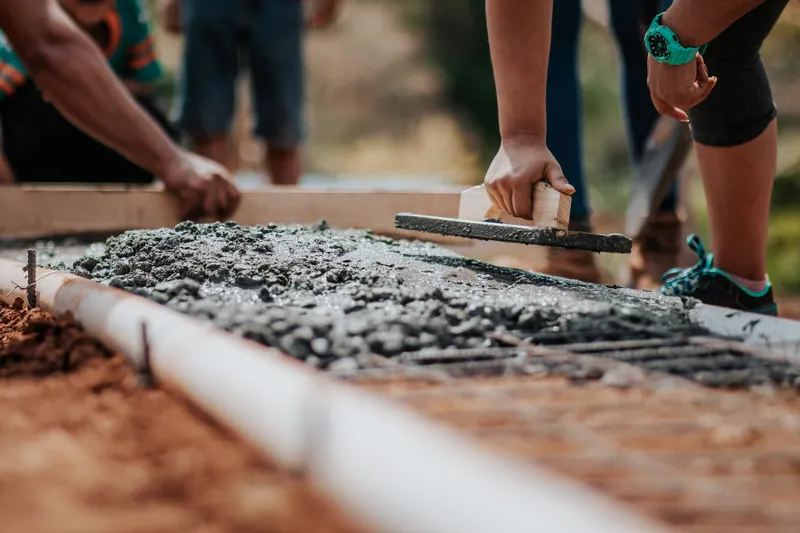
The same high-plasticity 'black gumbo' clay under Forest Hill, Benbrook, and Crowley swells and shrinks several inches a year whether or not a patio sits on top of it. Control joints cut at two to three times the slab's thickness, rebar or welded-wire-mesh reinforcement, and a properly compacted aggregate base give a patio slab enough give to move with that clay instead of cracking against it — the difference between a patio still flat at year fifteen and one already heaving by year three.
Finished for Real Texas Summer Heat
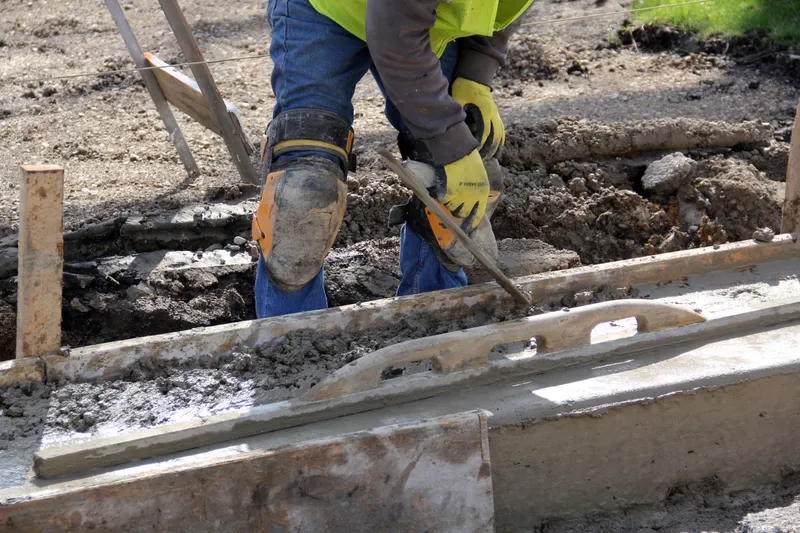
A dark, dense trowel finish can push a bare-foot pool deck or patio surface well above the surrounding air temperature on a July afternoon in Fort Worth. Lighter-toned broom, exposed-aggregate, and textured overlay finishes stay noticeably cooler underfoot and add slip resistance around a pool, while sealers and color hardeners rated for UV exposure keep decorative patios from fading. Finish selection isn't cosmetic here — it decides whether the patio actually gets used at 3 p.m. in August.
Real Backyard Value, Not Just a Slab
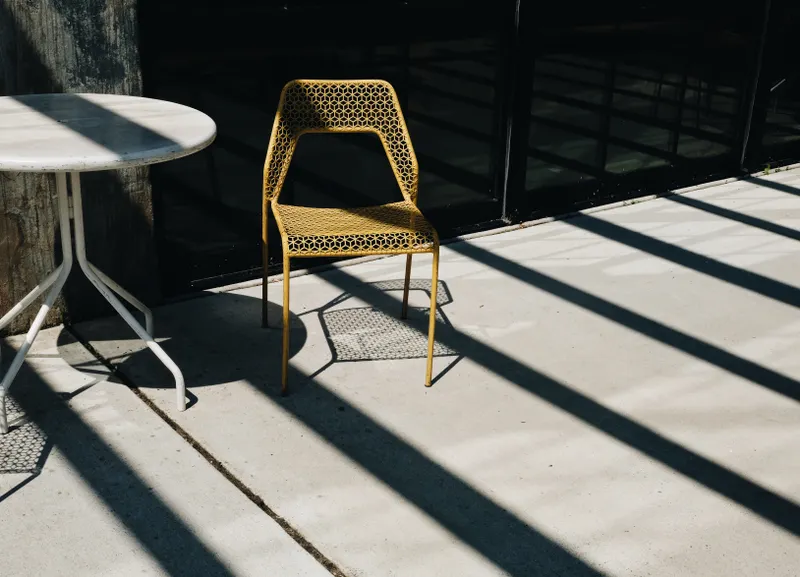
A well-built patio extends usable living space onto ground that was previously just yard, and it's ready for furniture, a grill, or a table within a couple of days of the final finish going down. Covered and extension slabs tied into an existing structure add outdoor square footage without a full room addition's cost or permitting complexity. For homeowners across Forest Hill, Benbrook, and Crowley, that's square footage that pays for itself in weekends outside.
Why Us
Why South Fort Worth Chooses Us for Patio Concrete
Fifteen years of coordinating outdoor-living concrete on North Central Texas's toughest soil means the joints, base, and finish are planned before the first form goes in the ground.
ACI Finishing Standards, Not Guesswork
Patio finishing — stamping a pattern evenly, floating a pool deck to the right slope, keeping a broom finish consistent across a large slab — takes more hands-on skill than a plain utility pour. The crews coordinated here work to ACI flatwork finishing standards, which matter most on decorative and pool-deck work where a rushed finish shows for years.
Local Expertise on South Fort Worth's Clay and Climate
Fifteen years of coordinating patio work across Forest Hill, Benbrook, Crowley, and the rest of South Fort Worth means base prep, control-joint layout, and finish selection account for this area's expansive clay and long, hot summers by default. That local pattern recognition is what keeps a new patio from becoming next year's crack-repair call.
Fixed Pricing, Written Scope, Real Warranty
Every patio quote comes itemized and in writing before a single form goes in the ground, covering base prep, reinforcement, finish, and control-joint layout so there's no surprise line item after the pour. New flatwork carries a workmanship warranty, and calls come in 24 hours a day at (817) 207-5313.
Already have a plain slab and want to upgrade the look, or need pattern options beyond what's covered here? See the full range on stamped & decorative concrete. If the pour you need is more foundation than patio — a shed pad, garage slab, or footing — that's covered on concrete slabs & foundations. For the full list of what gets coordinated across Forest Hill, Benbrook, Crowley, and the wider Fort Worth metro, see our services — it's the same South Fort Worth concrete crew network behind every patio poured here.
Frequently Asked Questions
How much does a concrete patio cost in Fort Worth?
A plain concrete patio in a common 10x20 layout typically runs $800 to $2,400 installed, or roughly $5 to $10 per square foot for standard flatwork. Larger footprints or a covered slab tied into the house add to that baseline. Decorative finishes cost more — stamped or colored patios run $8 to $18 per square foot, or $3,200 to $7,600 for a typical 20x20 stamped patio. We quote every job after an on-site evaluation, not a phone estimate.
Is stamped concrete worth the extra cost for a patio?
Stamped and decorative patios cost $8 to $18 per square foot versus $5 to $10 for plain flatwork, roughly double for a finished look that mimics flagstone, slate, or brick without real stone's cost. That extra buys pattern and color work from systems like Brickform, Butterfield Color, and Bomanite, plus more finishing time. Most homeowners find the upgrade pays for itself in how much more the patio gets used.
How long before I can use my new patio?
Light foot traffic is typically fine 24 to 48 hours after the pour, once the surface has set and cooled. Furniture and regular use can generally start around the 7-day mark, when concrete reaches roughly 70% of its design strength under the industry's '70-in-7' curing rule. Full design strength arrives at 28 days, which matters most for anything heavy like a hot tub. Stamped and sealed patios need the full cure before sealing, since sealing too early traps moisture that hasn't finished evaporating out.
Why do concrete patios crack, and can it be prevented on our clay soil?
Forest Hill, Benbrook, and Crowley sit on expansive 'black gumbo' clay that swells when wet and shrinks through a dry summer, moving inches a year under whatever's poured on top. Control joints direct where the concrete cracks, in a straight line instead of randomly. Rebar or welded-wire-mesh reinforcement and a compacted base give the slab room to move with that clay. Hairline cracking is normal and typically excluded from warranties.
What's the difference between a backyard patio slab and a covered or extension slab?
A standalone backyard patio slab is poured independent of the house, usually broom or smooth-finished, and typically takes 1 to 2 days on site. A covered or extension slab ties directly into an existing structure — a porch, garage, or roofline — so it has to match the house's grade and drainage. Both use the same base prep and reinforcement standards; the extension slab just adds a structural tie-in step the standalone patio doesn't need.
Can you build a concrete pool deck, and what finish is safest?
Yes — pool deck concrete gets finished specifically for wet, bare feet rather than a standard patio's finish. Broom, exposed-aggregate, and textured overlay finishes add slip resistance a smooth trowel finish doesn't, and lighter colors stay cooler underfoot through a Fort Worth summer. Coping, expansion joints, and drainage slope away from the pool are built in from the start. Deck layout typically follows the pool's footprint.
Do I need a permit to pour a patio in Fort Worth or the surrounding suburbs?
It depends on the city. Forest Hill, Benbrook, and Crowley each run their own building or permitting department that handles residential concrete work inside city limits, rather than routing through Tarrant County, with unincorporated pockets falling under county jurisdiction instead. A covered patio or extension slab tied into the house sometimes triggers additional review that a standalone backyard slab wouldn't. We confirm what's required for the specific address before work starts.
Which concrete finish holds up best to Texas summer heat?
Lighter-toned finishes reflect more heat than dark ones, so a light broom finish, exposed-aggregate, or a lighter stamped color stays cooler to the touch through a Fort Worth summer afternoon than a dark, dense trowel finish. Sealers and color hardeners rated for UV exposure also matter, since unprotected color can fade after repeated Texas summers. For pool decks specifically, texture matters as much as color — a broom or exposed-aggregate finish adds slip resistance a smooth finish lacks.
When can a new stamped or sealed patio be resealed, and how often?
A new decorative patio needs its full 28-day cure before the first sealing, since sealing too early traps moisture and oils still evaporating out of the fresh concrete. After that first seal, most decorative patios need resealing every 2 to 3 years, more often on a pool deck exposed to constant sun and foot traffic. Skipping resealing doesn't cause structural problems, but it does let color fade and the surface lose the stain resistance the sealer added.
Should I choose concrete or pavers for a new patio?
Concrete typically costs less than pavers for the same footprint and gives one continuous surface without joints that can shift or grow weeds. Pavers are easier to repair section by section if one area settles, but a properly reinforced, jointed slab handles South Fort Worth's clay just as well when the base prep is right. Stamped concrete closes most of the appearance gap at a lower cost per foot.
Get Your Concrete Patio Scheduled
Backyard slabs, stamped patios, pool decks, and covered extensions — built for South Fort Worth clay and heat. Call (817) 207-5313, 24 hours a day.
(817) 207-5313