Concrete Contractor · Fort Worth, TX
Concrete Removal & Replacement in Fort Worth, TX
[Concrete & Paving South Fort Worth](/) coordinates concrete removal and replacement — full slab demolition, haul-off, and repour — across Forest Hill, Benbrook, Crowley, and the wider South Fort Worth market, backed by 15 years of local coordination. Call (817) 207-5313 any time, since the crews we coordinate answer dispatch Open 24 Hours, and most removal jobs get a written, on-site quote within a day or two of the first call.
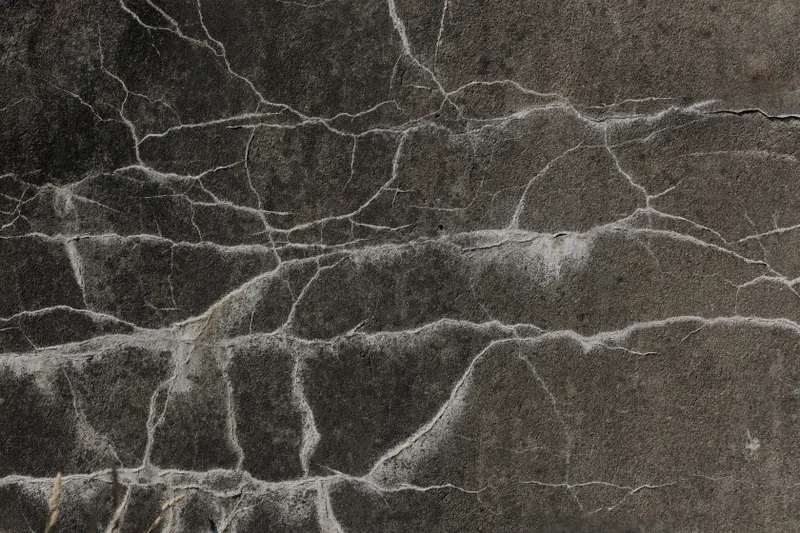
Not every crack needs a jackhammer. But a slab that's heaved several inches out of level, cracked clean through in more than one spot, or settled unevenly at a joint has usually crossed the line where patching stops fixing anything and starts just buying a few more months. Concrete removal and replacement — cutting out the failed section and pouring new concrete over a properly rebuilt base — is the only repair that actually resets the clock on ground that's already moved.
South Fort Worth sits on the same expansive 'black gumbo' clay that runs under all of Tarrant County — high-plasticity Eagle Ford and Woodbine clay that swells wet and shrinks hard through a Texas summer, moving several inches a year under driveways in Benbrook, Crowley, and Forest Hill alike. A slab poured over a base that's already failed from that movement will crack again no matter how many times it's patched; a slab poured over a freshly excavated, properly compacted base has a real shot at outlasting the one it replaced.
This page covers taking out concrete that's too far gone and putting new concrete in its place. If your slab is cracked but structurally sound, concrete repair is usually the cheaper fix; if you're starting from bare ground with no old slab to remove, concrete driveways covers new installation. Removal is the right call when what's already there is working against you, not for you.
What We Do
Our Concrete Removal & Replacement Services in Fort Worth
Full tear-out isn't the only option — sometimes the failed section is the whole slab, sometimes it's one panel. Here's how the coordinated crews scope each removal job.
Demolition & Haul-Off
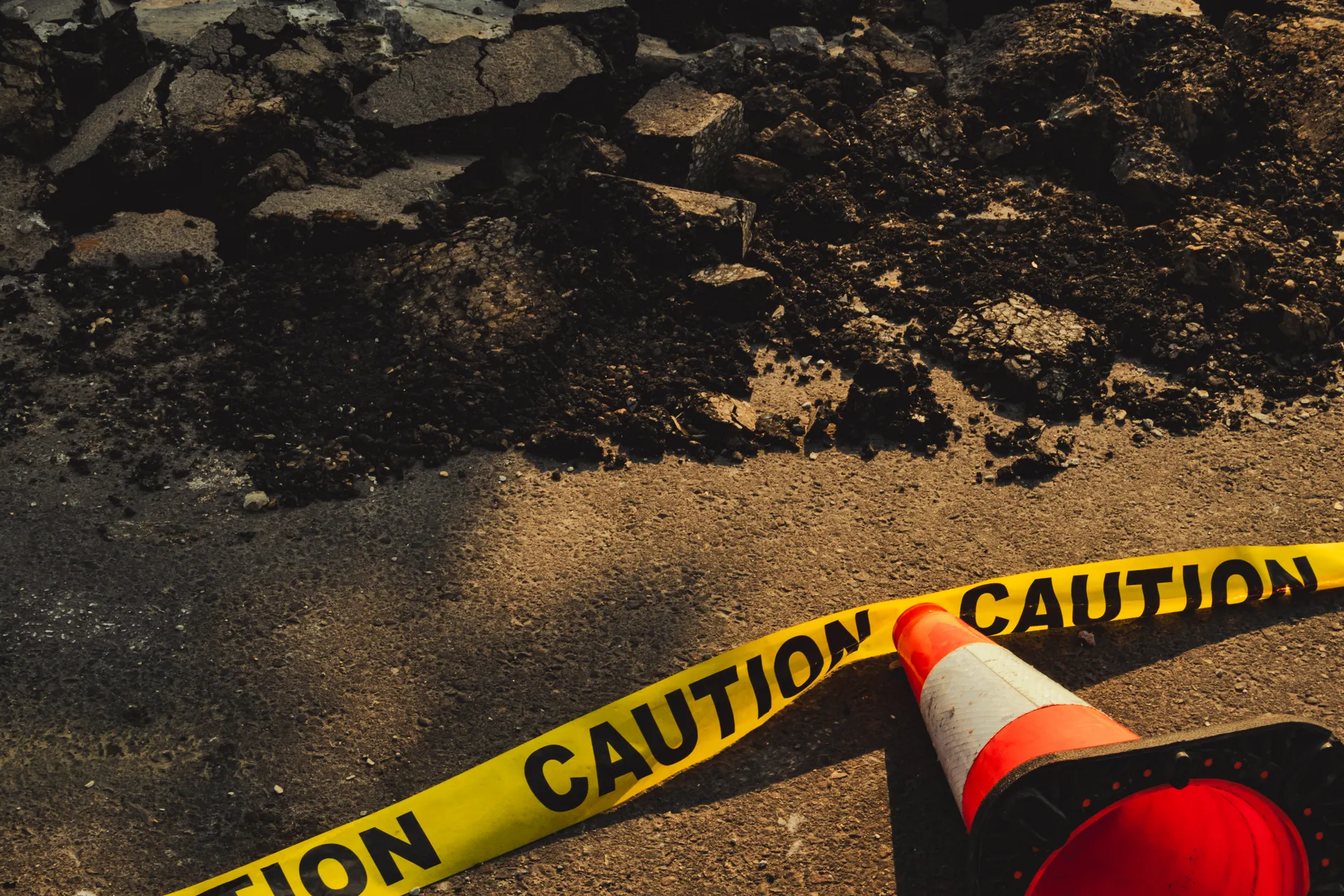
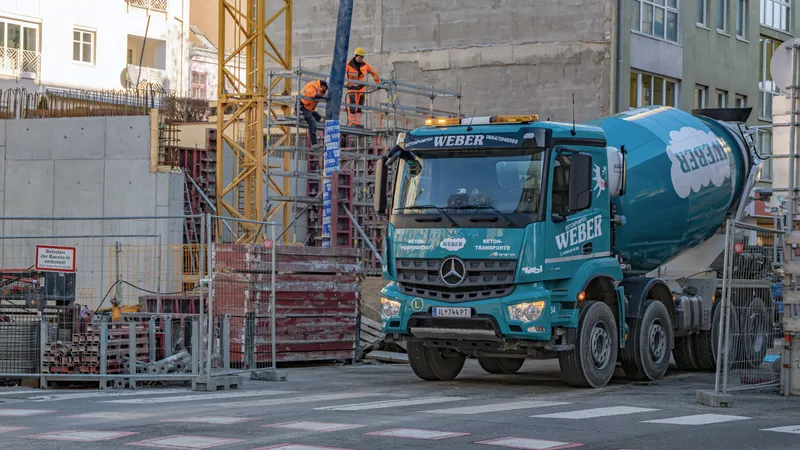
Demolition starts with breaking up the failed slab, driveway, or walkway with a breaker or hydraulic hammer, then hauling every piece of broken concrete off-site — nothing gets left in a pile at the curb. Removal and haul-off typically runs $2 to $6 per square foot, with the total depending on slab thickness, whether rebar or wire mesh has to be cut out, and how far a truck can get to the pile.
Broken concrete gets hauled to a licensed recycling or disposal facility rather than dumped, which is both the legal requirement and the responsible option — crushed concrete gets reused as aggregate base rather than filling a landfill.
Tear-Out & Repour
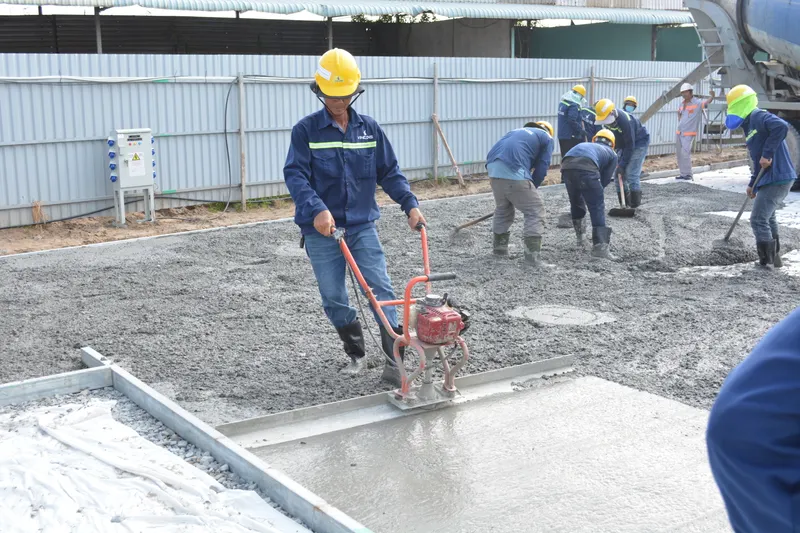
A tear-out and repour is the full job in one visit: the old slab comes out, the subgrade gets excavated, graded, and compacted to a stable base, and new concrete goes in reinforced with rebar or welded-wire mesh to the correct control-joint spacing. It's the right call for a driveway or patio that's heaved or cracked through in multiple places, where patching would just be delaying the same repair.
Most residential tear-out and repour jobs run 1 to 3 days on site between demolition and the finished pour, with the new slab needing the same 70-in-7, full-at-28-days cure window as any fresh concrete.
Section Replacement
Not every failed slab needs to come out whole. When only one panel of a driveway or sidewalk has settled or cracked through while the rest is sound, a section replacement saw-cuts a clean line at the nearest control joints, removes just that panel, and pours a new one that ties in flush with what's left. Saw-cutting instead of breaking along an irregular crack line is what keeps the finished repair from looking like a patch.
Section replacement costs less than a full tear-out and is the more common call on driveways where only the corner nearest a downspout or tree root has failed.
The Benefits
Why Full Replacement Pays Off on a Failed Base in Fort Worth
Patching a slab that's already moved doesn't stop the ground underneath it from moving again. Replacing it on a rebuilt base does.
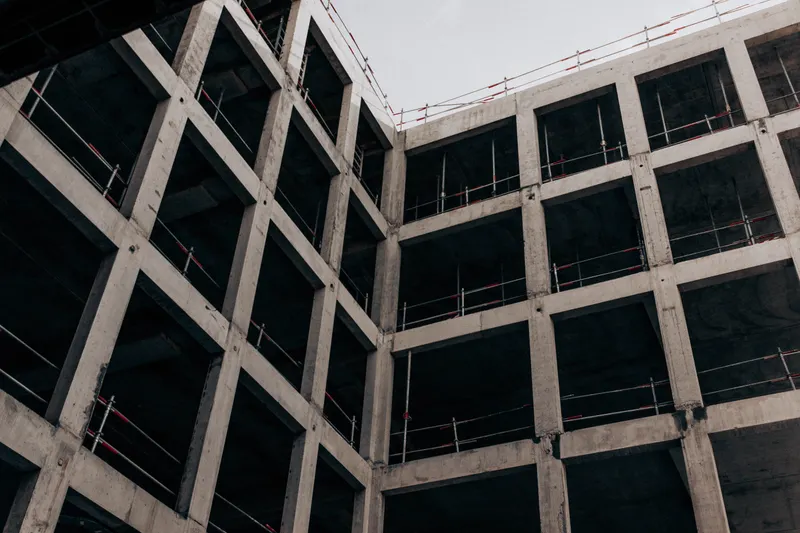
Outlasts Patching on a Clay Base That's Already Failed
A crack or a patch poured over subgrade that's already shifted from South Tarrant County's expansive clay is standing on the same unstable ground that caused the original failure — it's a matter of when it moves again, not if. Full removal and replacement lets the crew excavate, grade, and compact a proper base before any new concrete goes down, which is the only step that actually addresses why the old slab failed in the first place rather than just covering the symptom.
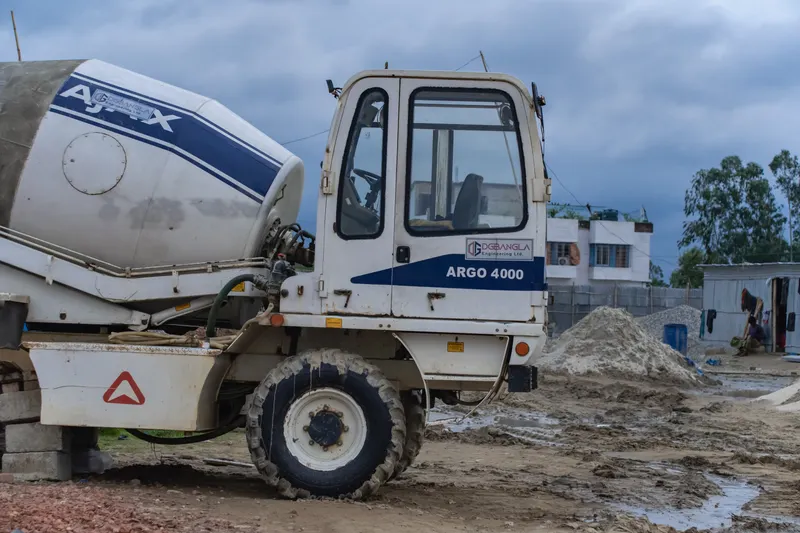
Disposal & Recycling Handled the Right Way
Broken concrete is heavy, and hauling it off legally means a licensed disposal or recycling facility, not a trailer to an empty lot. Removal jobs quoted here include haul-off and disposal in the price, and crushed concrete from demolition routinely gets recycled into aggregate base for the next job rather than filling landfill space — a responsible option that also keeps disposal costs predictable instead of a surprise line item after the job's done.
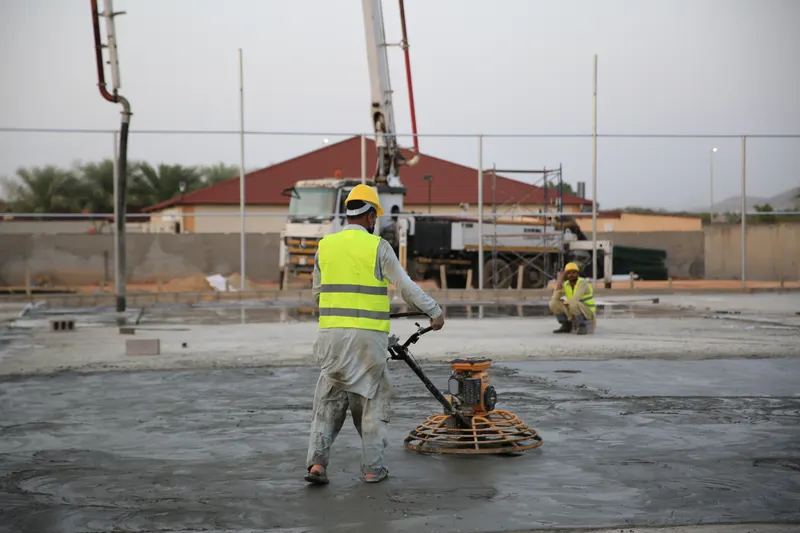
Clean, Straight Lines Instead of a Patchwork Look
Saw-cutting a clean rectangle at the nearest control joints, rather than breaking out concrete along an irregular crack, is what keeps a section replacement from looking like a patch bolted onto an otherwise uniform driveway or walkway. It also keeps the new pour tied in at a proper joint instead of an uneven seam that becomes the next spot where water gets in and the clay underneath starts working on it again.
Why Us
Why South Fort Worth Chooses Us for Concrete Removal
Fifteen years of coordinating tear-outs on South Tarrant County's toughest soil means the base gets rebuilt right, not just covered over.
Crews That Rebuild the Base, Not Just the Surface
The concrete crews we coordinate with pour to ACI 318 and ACI 332 standards with proper subgrade compaction and correctly spaced control joints — the steps that actually determine whether a new slab outlasts the one it replaced. Skipping base prep to save a day of labor is exactly how a brand-new pour ends up cracking again within a season on South Tarrant clay.
Honest About Repair vs. Full Replacement
Not every cracked slab needs to come out. Every removal call starts with an honest read on whether the damage is a repairable surface crack or a full base failure, because quoting a $4,000 tear-out when a $300 crack repair would hold isn't how a South Fort Worth business earns repeat calls from homeowners and property managers alike.
Local Enough to Know Which Slabs Fail First
Forest Hill's mid-century driveways, Benbrook's lake-area subdivisions, and Crowley's fast-growing new-build slabs all sit on the same reactive black gumbo clay but fail on different timelines depending on age, drainage, and how the original base was prepped. Knowing which neighborhoods move the most means a faster, more accurate call on whether a slab needs a section replacement or a full tear-out before a crew ever shows up with a saw.
Not sure whether your slab needs to come out or just needs a patch? The concrete repair page covers crack sealing and resurfacing for slabs that are still structurally sound, and if there's no existing concrete to remove at all, concrete driveways covers pouring new from bare ground. For the full list of what gets coordinated across Forest Hill, Benbrook, and Crowley, see our services — it's the same South Fort Worth concrete crew network behind every removal and repour job on this page. Call (817) 207-5313 to get a slab inspected before deciding which side of that line it's on.
Frequently Asked Questions
How much does concrete removal and replacement cost in Fort Worth?
Removal and haul-off alone typically runs $2 to $6 per square foot, depending on slab thickness, whether rebar or wire mesh has to be cut out, and how accessible the site is for a truck. A full tear-out and repour adds the cost of the new pour on top of that, which tracks the same $5 to $10 per square foot as any new flatwork, or $8 to $15 for a driveway. We give an exact number after seeing the slab and the access, not a phone estimate.
How do I know if my slab needs full replacement instead of repair?
A slab that's cracked clean through in multiple places, heaved several inches out of level, or settled unevenly at more than one joint has usually crossed the point where patching just delays the same repair. A single hairline crack or a slab that's cosmetically worn but still flat and stable is a repair candidate covered on our [concrete repair](/concrete-repair) page instead. We inspect before quoting either option, since recommending a full tear-out when a crack repair would hold isn't how repeat customers get built.
What happens to the old concrete once it's removed?
Broken concrete gets hauled off-site to a licensed disposal or recycling facility rather than dumped, which is both the legal requirement in Tarrant County and the responsible option. Crushed concrete from demolition is routinely recycled into aggregate base material, which sometimes ends up as the base course under the next job rather than filling landfill space. Haul-off and disposal are included in a removal quote, not billed as a separate surprise line item once the job's finished.
What's the difference between a full tear-out and a section replacement?
A full tear-out removes an entire slab, driveway, or walkway and rebuilds the base underneath before repouring the whole surface — the right call when the damage or clay movement affects the slab broadly. A section replacement saw-cuts a clean line at the nearest control joints and removes just the failed panel, leaving the rest of the driveway or walkway intact and tying the new pour in flush. Section replacement costs less and is the more common call when only one corner or panel has actually failed.
Why does South Fort Worth concrete fail even with a good original pour?
South Fort Worth sits on expansive 'black gumbo' clay weathered from the Eagle Ford and Woodbine formations, with clay content that regularly exceeds 50% across Forest Hill, Benbrook, and Crowley alike. That clay swells several inches when saturated and shrinks hard through a dry Texas summer, and if the original base wasn't compacted properly or drainage wasn't graded correctly, that seasonal movement telegraphs straight up into the slab no matter how good the original concrete mix was. Replacing the slab without fixing the base underneath just repeats the same failure on a delay.
How long does a concrete removal and replacement job take?
Demolition and haul-off for a single section typically takes 0.5 to 2 days depending on slab size and access, and a full tear-out and repour usually runs 1 to 3 days on site from breaking up the old slab through finishing the new pour. The new concrete then needs its own cure window — about 24 to 48 hours before light foot traffic, roughly 7 days before light vehicle traffic, and the full 28 days before heavy loads. We give a specific schedule once we've seen the scope of demolition involved.
Do I need a permit to remove and replace a driveway or slab in Fort Worth?
It depends on which city the property sits in — Forest Hill, Benbrook, and Crowley each run their own building or permitting department for driveway and paving work rather than routing through Tarrant County, while unincorporated pockets fall under the county instead. Removing and replacing an existing slab in the same footprint sometimes requires less paperwork than new construction, but any work touching a driveway approach or the public right-of-way can trigger different rules. We confirm what applies to the specific address before demolition starts.
Can you remove an old concrete driveway and pour a new one in its place?
Yes — old driveway removal and replacement is one of the most common calls we coordinate, especially on Forest Hill's and Benbrook's mid-century driveways that are decades past their original pour. The process is demolition and haul-off of the old slab, excavation and compaction of a fresh base, then forming and pouring the new driveway reinforced to current standards. If the driveway is starting from bare ground with nothing to remove, [concrete driveways](/concrete-driveways) covers new installation instead.
Is saw-cutting necessary for a section replacement, or can you just break out the damaged part?
Saw-cutting a clean, straight line at the nearest control joint is what keeps a section replacement from looking like a rough patch bolted onto an otherwise uniform slab, and it gives the new pour a proper joint to tie into instead of an irregular seam. Breaking out concrete freehand along a crack line leaves a jagged edge that's harder to form against and more likely to crack again at that same rough seam. It costs a little more time upfront but holds up better and looks like it was always one slab.
What time of year is best for concrete removal and repour in Fort Worth?
Warm, dry weather above 50°F gives the most reliable results for the new pour, which in North Texas generally means spring through fall rather than the coldest weeks of winter, since concrete placed in cold weather cures more slowly and needs extra protection. Demolition and haul-off can happen any time of year, but scheduling the repour around the forecast avoids a rained-out finish or a slow, cold cure that delays when the new slab can carry traffic. Calls come in around the clock so scheduling can work around the weather window that actually fits the job.
Get Your Failed Concrete Removed and Replaced
Demolition, haul-off, and full tear-out & repour. Call (817) 207-5313 for a fast quote.
(817) 207-5313