Concrete Contractor · Fort Worth, TX
Retaining Walls in Fort Worth, TX
Concrete & Paving South Fort Worth coordinates poured concrete retaining walls and segmental block retaining walls across the south side of Fort Worth, Benbrook, Forest Hill, and Crowley — 15 years of local coordination, with calls answered 24 hours a day at (817) 207-5313. Every retaining wall starts with the same two questions: what's the slope trying to do without a wall holding it back, and where does the water go once it can't just run downhill anymore. Get those two answers wrong and even a well-built wall is fighting a losing battle from day one.
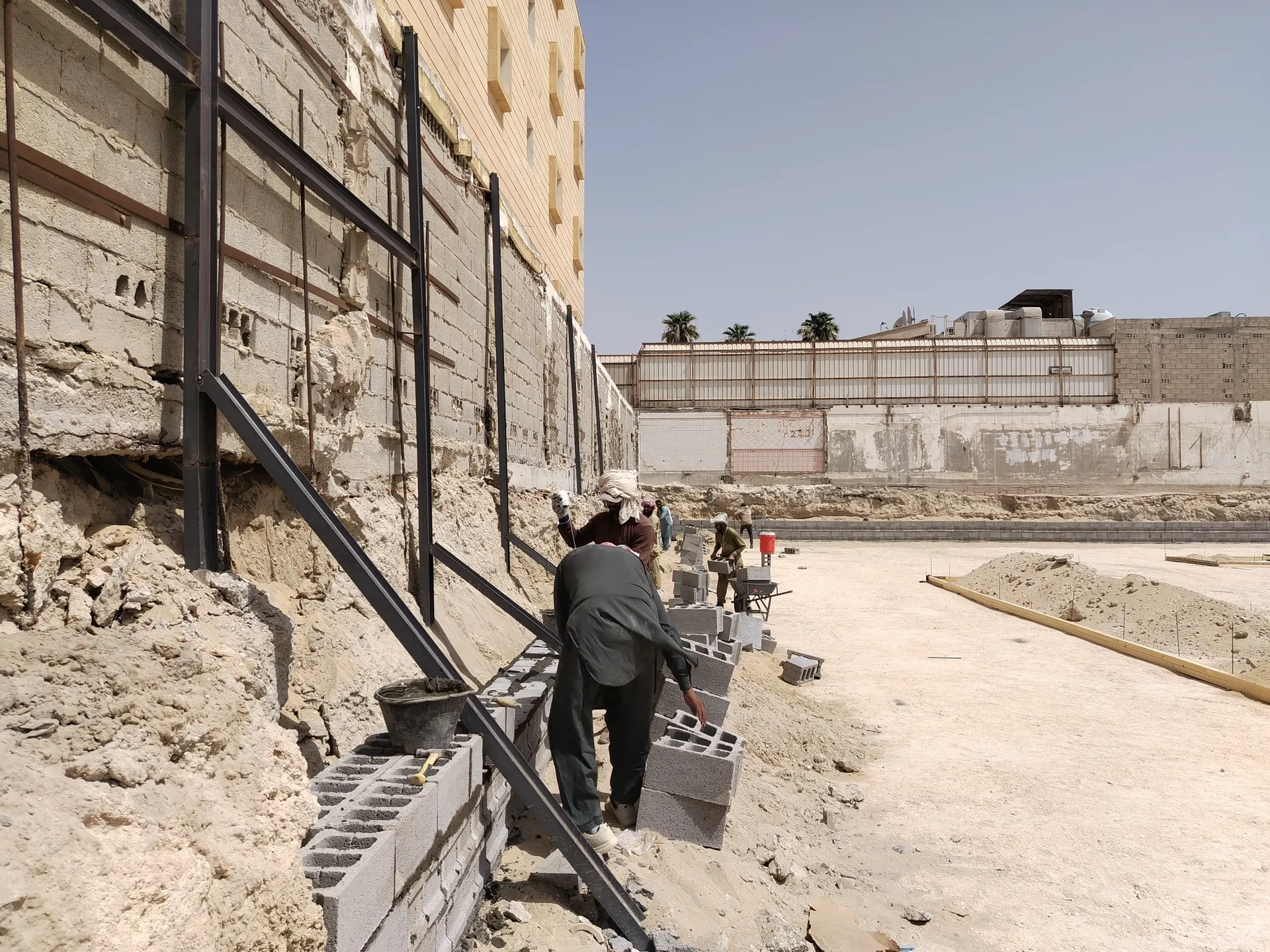
South Tarrant County isn't flat the way people assume Texas is. Around Benbrook Lake and through Crowley's newer subdivisions off the Chisholm Trail Parkway, lots step down toward creek bottoms, lake frontage, and drainage easements, and every one of those graded slopes sits on the same expansive 'black gumbo' clay that swells wet and shrinks hard through a dry Texas summer. A wall built on that clay without engineered drainage and backfill behind it doesn't just crack the way a slab would — it leans, bows outward, or topples, because the soil pressure pushing on the back face never had anywhere to release.
This page covers new retaining wall construction specifically: poured concrete walls, segmental block wall systems, the drainage and backfill work that keeps either type standing, and smaller seat and garden walls used for landscaping and grade transitions. Walls retaining more than roughly four feet of soil typically cross into engineered-plan territory in most Fort Worth-area jurisdictions, since the lateral load behind a wall that tall exceeds what a standard unreinforced footing was ever designed to hold, clay or no clay.
Every job starts with a site walk to read the existing slope, the soil, and where surface water already pools, the same evaluation used across the full list of concrete services this crew coordinates for South Fort Worth. The coordinated crews size the footing, select reinforcement, and lay out drainage before the first block or form goes in, because a retaining wall that fails almost always fails at the base or behind it, not at the visible face — which is exactly the part a homeowner walking the yard can't see for themselves.
What We Do
Our Retaining Wall Services in Fort Worth
A retaining wall is only as good as what's holding up the soil behind it and where the water goes once it hits that soil. Here's how the coordinated crews scope poured, block, drainage, and landscape wall work across South Fort Worth.
Poured Concrete Retaining Walls
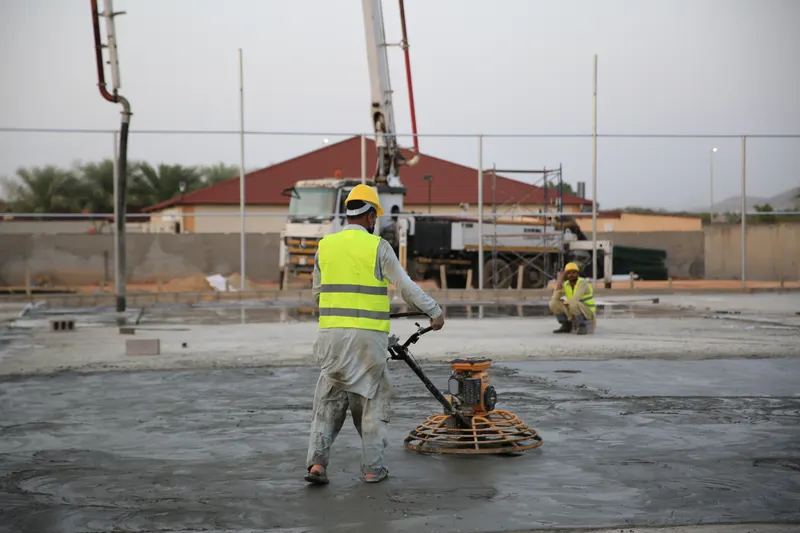
Poured concrete walls are formed and reinforced with rebar, then placed as a single monolithic pour tied into a footing sized for the retained height and soil load. Like any poured element, the wall gains most of its strength over the first week and shouldn't be backfilled against until it's cured enough to take the load — rushing that step is a common cause of early bowing.
Segmental Block Retaining Walls
Segmental block systems use interlocking concrete units set dry on a compacted gravel base, no mortar or forms required, which makes them faster to build and easier to step around curves, corners, and irregular grade changes than a poured wall. Each course sets back slightly from the one below it (called batter), which is what gives a block wall its resistance to the soil pushing against it from behind.
Drainage & Backfill Systems
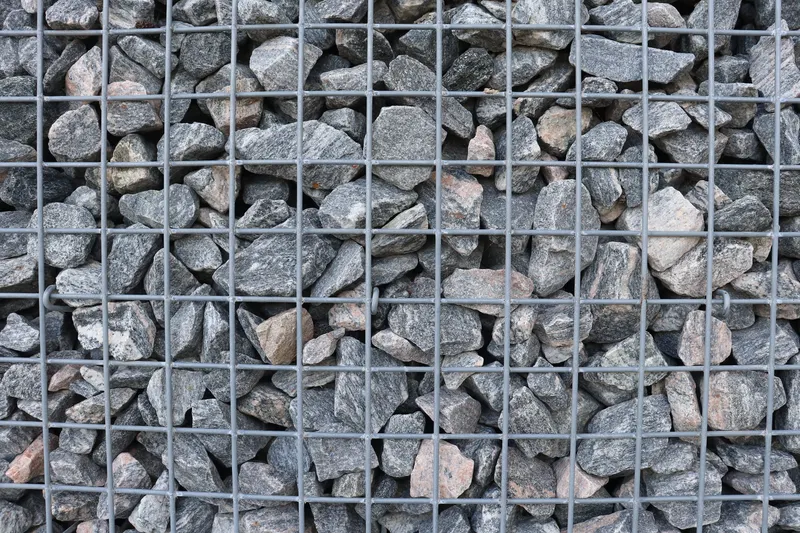
Drainage is not an optional add-on to a retaining wall, it's the system that decides whether the wall stands for decades or fails within a few seasons. A proper build places crushed-gravel backfill directly behind the wall, a perforated drain pipe daylighted to a safe outlet, weep holes or gaps at the base to relieve any water that does build up, and a geotextile fabric layer to keep the surrounding clay from washing into the gravel and clogging the whole system over time.
The Benefits
Why Proper Drainage & Engineering Pay Off on South Fort Worth Slopes
Most retaining wall failures trace back to water, not the block or the concrete itself. Getting the drainage, backfill, and footing right the first time is what separates a wall that holds for decades from one that's leaning by year three.
Built for Rolling Clay Terrain, Not Flat Ground
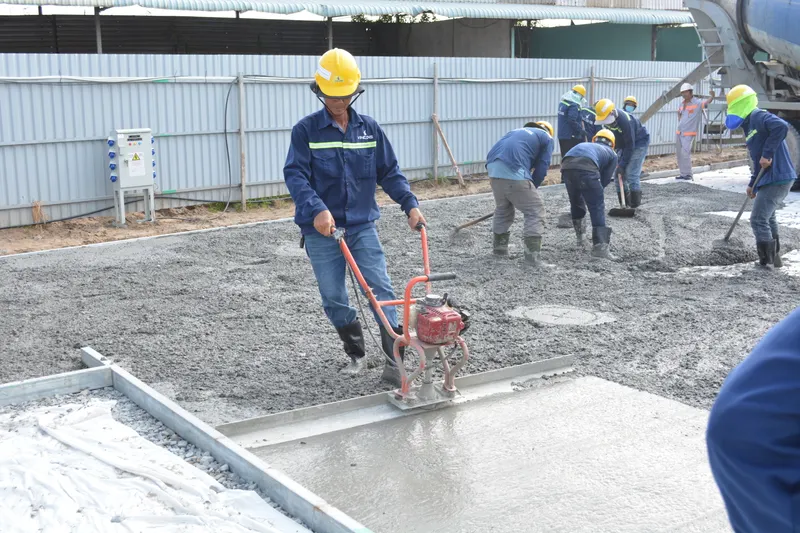
Benbrook, Forest Hill, and Crowley all sit on the same high-plasticity black gumbo clay that swells and shrinks with Tarrant County's wet-dry cycle, and around Benbrook Lake and Crowley's newer subdivisions that soil sits on real slope, not a flat pad. A wall built with a properly compacted gravel base and a footing sized to the retained height handles seasonal clay movement instead of cracking or shifting with it.
Engineered for the Load Actually Behind the Wall
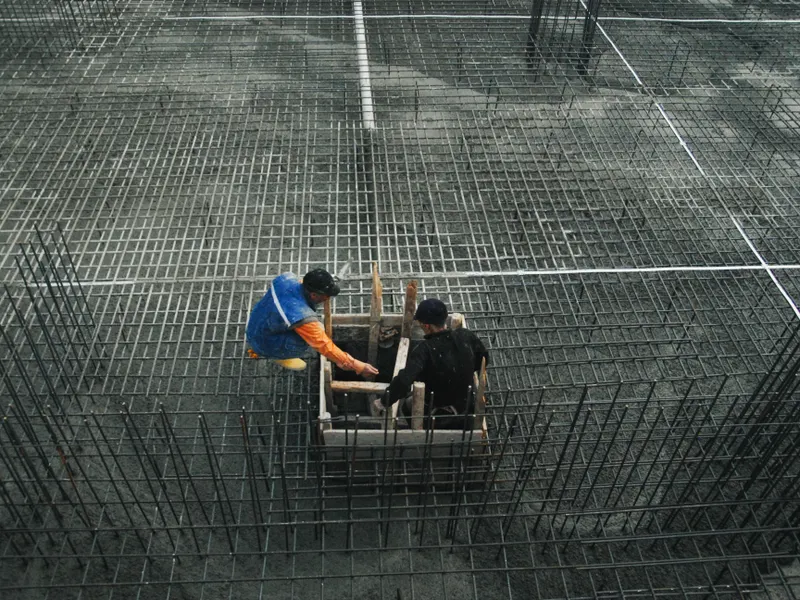
A retaining wall resists lateral soil pressure, not just gravity, and that pressure climbs fast as retained height increases — which is why most Fort Worth-area jurisdictions expect engineered plans once a wall crosses roughly four feet. Poured walls are reinforced with rebar sized to that load and follow the same 70%-strength-at-7-days, full-strength-at-28-days curve that governs any structural concrete pour, so a wall isn't backfilled or loaded before it's actually ready to carry it.
Drainage Designed In From Day One, Not Added Later
Hydrostatic pressure from trapped water is the single most common reason a healthy-looking retaining wall starts bowing, leaning, or cracking along a joint. Every wall gets crushed-gravel backfill, a perforated drain line, and weep holes or gaps built in before the final grade goes down, so water that reaches the wall has somewhere to go instead of pushing on the back face every time it rains across Tarrant County's clay-heavy soil.
Why Us
Why South Fort Worth Chooses Us for Retaining Walls
Fifteen years of coordinating wall work on South Tarrant County's rolling, clay-heavy lots means the footing and drainage get engineered correctly before a single block or form shows up on site.
Retaining-Wall Focus, Not a Driveway Crew's Side Job
Some outfits treat a retaining wall as an afterthought tacked onto a driveway or patio bid. The crews coordinated here scope every wall on its own — retained height, soil load, and drainage plan — because a wall sized like a landscape feature when it's actually holding back four feet of saturated clay is a wall that's going to fail, usually within a season or two of the first heavy rain.
Footings and Drainage Sized to the Job, Not Guessed At
An undersized footing or a skipped drain line is invisible the day the wall goes up and expensive the year it starts leaning. The coordinated crews size the footing to the retained height and soil condition and lay out drainage before backfill goes in, because a wall built on Tarrant County clay without that groundwork is borrowing against a failure that shows up later, not avoiding one.
Scheduled Around Grading, Rain, and Storm Season
Excavating and compacting a base against saturated South Fort Worth clay after a storm is a different job than doing it on dry ground, and a wall backfilled too soon after a heavy rain traps water it should have been draining. Calls come in 24 hours a day so a build can be scheduled around the weather window that actually lets the base compact properly, rather than locking in a date that fights the forecast.
Footings poured for a new retaining wall use the same forming, reinforcement, and base-prep expertise covered on our concrete slabs & foundations page, and a short retaining wall stepping down a grade change in a parking lot or loading area is a common piece of the work covered on commercial concrete & parking lots. For homes and businesses around Benbrook, Forest Hill, Crowley, and the rest of the Fort Worth metro, see our full list of services for everything else this crew coordinates — it's the same South Fort Worth concrete network behind every retaining wall on this page.
Frequently Asked Questions
How much does a retaining wall cost in Fort Worth?
Retaining walls typically run $12 to $25 per square foot of visible wall face, depending on wall type, retained height, and drainage scope. A short segmental block wall along a driveway costs far less than a taller poured wall carrying a structure above it, since the taller wall needs a deeper footing and more reinforcement. We quote the price after a site walk, not a phone estimate, since slope and access change the number more than square footage alone.
Do I need a permit for a retaining wall in Fort Worth or Benbrook?
It depends on the city and the wall's retained height. Benbrook, Fort Worth, Forest Hill, and Crowley each run their own permitting process, and unincorporated pockets of Tarrant County fall under county jurisdiction instead. Many jurisdictions waive a permit for short landscape walls but require one, plus engineered plans, once the wall crosses roughly four feet of retained height. We confirm what the specific address requires before work starts rather than assuming one rule applies everywhere.
How tall can a retaining wall be before it needs an engineer?
Most Fort Worth-area jurisdictions draw the line around four feet of retained height, though the exact threshold varies by city and by what's sitting above the wall. Below that height, a properly built segmental block or poured wall with standard drainage is usually enough. Above it, the lateral soil pressure climbs fast enough that an engineer needs to size the footing, reinforcement, and wall thickness to the load, especially on Tarrant County's expansive clay.
What's the difference between a poured concrete and a segmental block retaining wall?
Poured concrete walls are formed and reinforced with rebar as a single monolithic structure, which makes them the stronger choice for taller walls or ones carrying a structure above them. Segmental block walls use interlocking concrete units set dry on a compacted gravel base, no forms or curing time required, which makes them faster to build and better suited to curves and shorter landscape walls. Both need the same attention to drainage behind them.
Why do retaining walls fail, and is it usually the wall itself or the drainage?
In the large majority of cases it's the drainage, not the wall material. Hydrostatic pressure from water trapped behind the wall builds until it pushes the structure outward, which shows up as bowing, leaning, or a crack along a joint line. A wall built with crushed-gravel backfill, a drain pipe, and weep holes gives that water somewhere to go, while a wall backfilled with plain clay is essentially waiting for the first hard rain.
What is backfill, and why does the material behind the wall matter so much?
Backfill is the material placed directly behind a retaining wall, and using crushed gravel instead of the native clay dug from the hole is one of the biggest factors in whether the wall lasts. Gravel drains water down and away instead of holding it against the wall face the way Tarrant County's black gumbo clay does when packed back in untreated. A geotextile fabric layer separates the gravel from the soil so clay doesn't migrate in and clog the drainage.
How long does it take to build a retaining wall in South Fort Worth?
A typical residential retaining wall takes 2 to 5 days on site, depending on wall type, retained height, and how much excavation and drainage work the slope requires. A segmental block wall under the engineered-plan threshold often moves faster since there's no form-and-cure step, while a taller poured wall needs time for excavation, forming, and a partial cure before backfill goes in. Tight access or heavier drainage scope run toward the longer end of that range.
Can a retaining wall actually hold up against Tarrant County's expansive clay?
Yes, when the footing, reinforcement, and drainage are sized for it rather than treated as a standard build. The black gumbo clay under South Fort Worth, Benbrook, and Crowley swells when saturated and shrinks through a dry summer, moving several inches seasonally, so a footing needs enough depth and bearing to stay stable through that cycle. Combined with proper drainage, a correctly engineered wall handles that movement for decades.
What is a seat wall or garden wall, and how is it different from a structural retaining wall?
A seat wall or garden wall is typically a shorter, low-retained-height wall used for landscaping, terracing a flower bed, or creating built-in seating around a patio, and it usually falls well under the height that triggers engineered-plan requirements. It still needs a compacted base and basic drainage, just at a smaller scale than a structural wall holding back a full grade change. Segmental block is the common choice since it's fast to build and easy to shape.
Do retaining walls near Benbrook Lake or on sloped lots need anything different?
Sloped lots around Benbrook Lake and Crowley's newer subdivisions along the Chisholm Trail Parkway often need more attention to where drainage water actually discharges, not just how it's collected. A drain pipe that daylights onto a neighbor's property or a drainage easement can create its own problem, so outlet location gets checked before the wall goes in. Grading above and below the wall matters more on a real slope too, since uphill runoff adds to the load the drainage system has to handle.
Get Your Retaining Wall Project Scheduled
Poured concrete, segmental block, or a seat wall for the backyard — sized and drained to hold on Tarrant County clay. Call (817) 207-5313, 24 hours a day.
(817) 207-5313