Concrete Contractor · Fort Worth, TX
Concrete Repair & Resurfacing in Fort Worth, TX
Concrete & Paving South Fort Worth coordinates crack repair & joint sealing, slab jacking & leveling, resurfacing & overlays, and spall & scaling repair across Forest Hill, Benbrook, Crowley, Everman, and the wider Fort Worth metro — 15 years of local concrete repair coordination, with calls answered 24 hours a day. Call (817) 207-5313 and most single-crack and settled-slab calls get an on-site look and a written quote within a day, because a crack that's widening or a slab that's already sunk an inch rarely gets better left alone. Every quote starts with the same question: is this slab worth saving, or has the ground underneath it already failed? Getting that call right is the difference between a $300 repair that holds for years and a resurfacing job that's patched over a problem still moving underneath it.
That question matters more here than almost anywhere else in the country, because South Fort Worth sits on expansive shrink-swell 'black gumbo' clay weathered from the Cretaceous Eagle Ford and Woodbine formations, with clay content frequently exceeding 50%. That clay swells several inches when it's saturated and shrinks hard through a dry Texas summer, and a slab poured on top of it moves whether or not it's cracked. A tight hairline crack or a crack that's opened cleanly along a control joint is usually just the concrete doing exactly what it's engineered to do — relieving stress at a planned weak point rather than cracking randomly across the surface. A crack with vertical offset, a corner that's lifted, or a slab that's visibly out of level, on the other hand, points to a base that's already shifted, and that's a different repair entirely.
This page covers fixing and restoring the concrete you already have. If the slab or driveway is too far gone and needs to come out entirely before anything new goes in, that's concrete removal & replacement; if the plan is a brand-new driveway poured from scratch rather than salvaging an old one, that's covered on concrete driveways. Repair and resurfacing sit between those two — saving a slab that's still structurally sound but showing its age, its cracks, or a rough, spalled surface, without the cost or disruption of a full tear-out.
The coordinated crews diagnose before they quote: probing crack width and depth, checking for offset and hollow spots that signal a void underneath, and reading whether the damage is cosmetic or structural before recommending a fix. Every repair follows ACI-standard practice — the same control-joint spacing, bonding-agent prep, and cure-time discipline used on new pours — because a patch that isn't bonded and cured correctly fails again within a season. That diagnose-first approach is what keeps a $300 crack seal from turning into a $3,000 repeat call six months later.
What We Do
Our Concrete Repair & Resurfacing Services in Fort Worth
Not every failure gets the same fix. The coordinated crews match the repair to what's actually happening under the surface before recommending a sealant, an injection, or an overlay.
Crack Repair & Joint Sealing
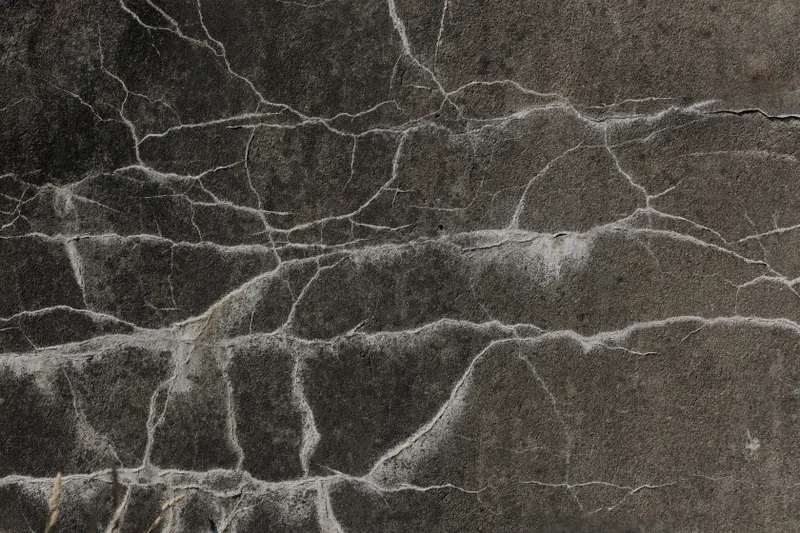
Hairline cracks and cracks that form along a control joint are normal concrete behavior and usually just need a flexible sealant to keep water out of the clay below. Cracks wider than a quarter inch, with vertical offset, or radiating from a corner point to base movement instead of surface shrinkage.
Those get routed, cleaned, and sealed with a filler matched to the crack's width and location, stopping the gap from widening before the next wet-dry cycle.
Slab Jacking & Leveling
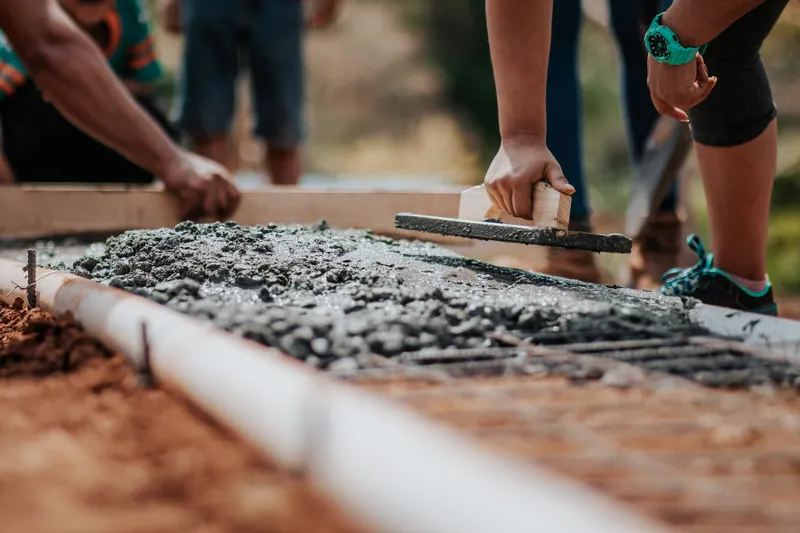
A sunken sidewalk, patio, or driveway section usually means the soil underneath has settled or washed out, not that the slab has failed — which is what slab jacking fixes. Mudjacking pumps a cement-based slurry through small drilled holes to raise the slab toward grade, while polyjacking injects a lighter polyurethane foam that cures firm in about 15 minutes.
Both methods lift the slab back level without tearing it out; the choice depends on how much it has settled and how fast the area needs to reopen.
Resurfacing & Overlays
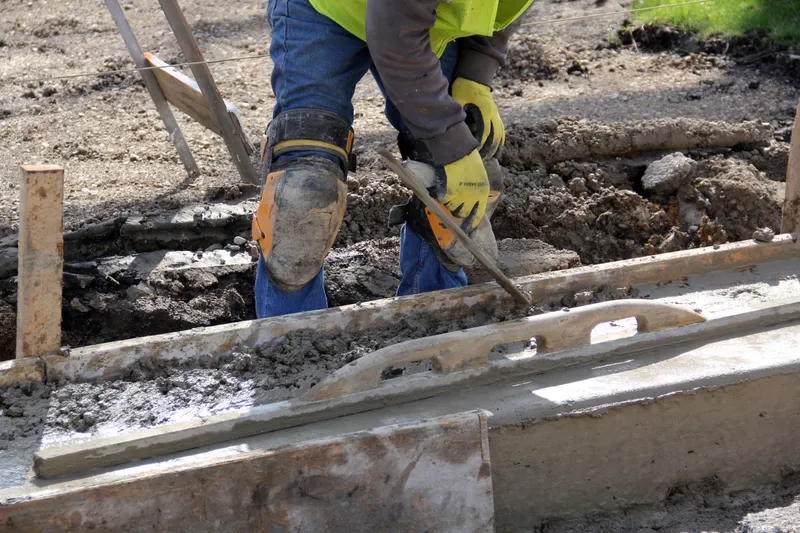
When the slab underneath is still sound but the surface is worn, discolored, or lightly spalled, a thin bonded overlay resurfaces the top layer instead of replacing the whole pour — a fraction of the roughly $7-$16 per square foot cost of tearing out and repouring. The old surface gets cleaned, profiled, and primed so the overlay bonds mechanically rather than sitting on top.
Overlays can be broom-finished, stamped, or stained in the same visit, so a worn slab can come out looking decorative for a fraction of a new stamped pour.
The Benefits
Why Repairing and Resurfacing Pays Off in Fort Worth
A repair matched to the actual damage holds for years. A repair that isn't just delays the same failure, at a higher price, once the clay underneath moves again.
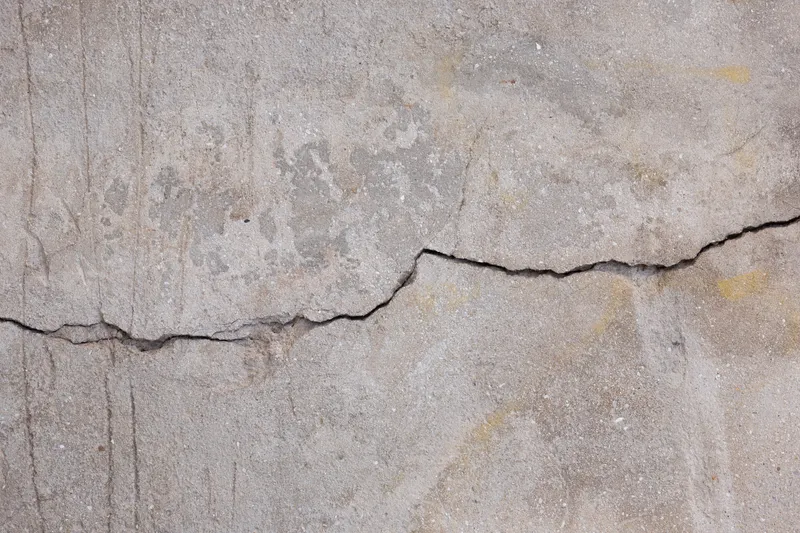
Stops Spalling and Scaling Before Freeze-Thaw Spreads It
Spalling and scaling — flaking, pitting, or peeling on the top quarter-inch of a slab — happen when trapped moisture freezes, expands, and pops off concrete that wasn't air-entrained for freeze-thaw exposure. Left alone, one scaled patch spreads every winter; caught early, a bonded overlay or repair stops it at a fraction of the cost of full resurfacing later.
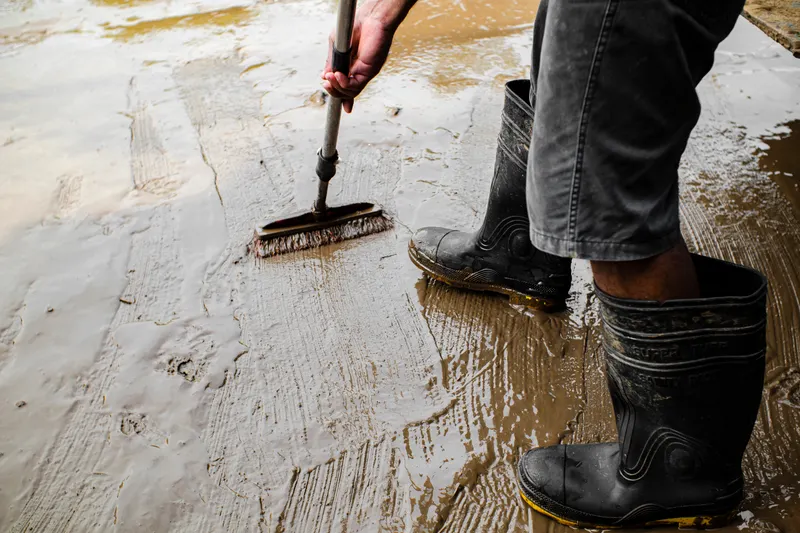
Keeps Water Out of the Reactive Clay Below
Every open crack in a South Fort Worth slab or driveway channels straight down to the expansive black gumbo clay underneath. Once that clay gets wet through an unsealed crack, it swells unevenly, heaves the slab, and turns one manageable crack into a network by the next dry season. Sealing joints and cracks promptly keeps water out of that clay as much as it smooths the surface.
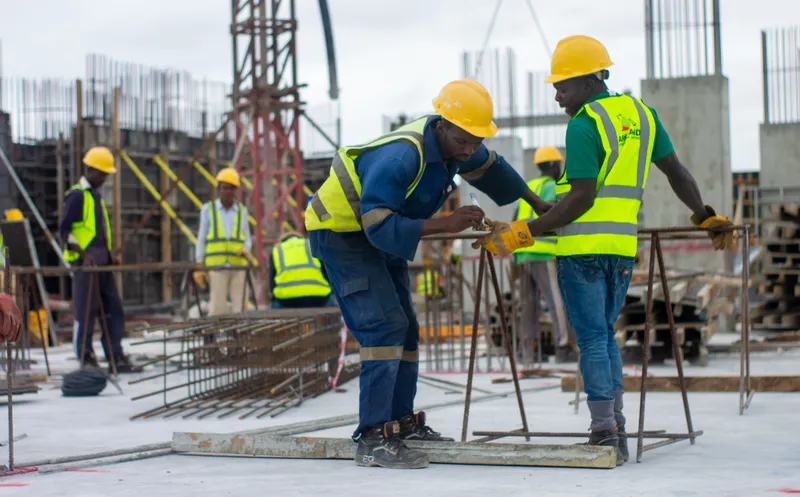
Costs a Fraction of Full Replacement
Full removal and repour runs roughly $7 to $16 per square foot once demolition and haul-off ($2-$6 per square foot) are added to a new pour ($5-$10 per square foot). Targeted crack repair, slab jacking, or a bonded overlay buys years of added service life on a sound slab, almost always at a fraction of a full tear-out and repour.
Why Us
Why South Fort Worth Chooses Us for Concrete Repair
Fifteen years of diagnosing before quoting across Forest Hill, Benbrook, Crowley, and Everman means fewer callbacks and fewer repairs that fail before the next season.
Crews That Diagnose Before They Quote
Not every crack needs a full-depth repair, and not every settled slab needs slab jacking. The concrete crews we coordinate with start every call with an honest read on whether the damage is cosmetic or structural, because recommending a full overlay when a $300 crack seal would hold isn't how repeat customers get built.
ACI-Standard Repair, Not Guesswork
Every repair follows ACI 318 and ACI 330 guidance on control-joint spacing and bonding-agent prep, with ready-mix and patch materials specified to ASTM C94. That's the difference between an overlay still bonded and flush a year later and one already lifting at the edges after the first freeze-thaw cycle works on a patch that wasn't profiled and primed correctly.
Local Enough to Know Which Slabs Move the Most
Forest Hill's mid-century 1950s-70s driveways, Benbrook's lake-side subdivisions, and Crowley's newer slabs still settling into place all sit on the same reactive black gumbo clay but crack and settle on different schedules depending on age, drainage, and how the original base was compacted. Knowing which blocks move fastest means a faster, more accurate diagnosis before a crew ever shows up with a drill or a saw.
Not sure whether a crack or a settled section is worth saving or whether it's finally time to start over? The concrete crews we coordinate probe crack width, offset, and hollow spots on site and give an honest answer before recommending a fix. For a driveway that needs to be poured new rather than repaired, see concrete driveways; for a slab that's genuinely beyond saving, concrete removal & replacement covers the full tear-out. The complete list of what gets coordinated across Forest Hill, Benbrook, Crowley, and Everman is on our services — it's the same South Fort Worth concrete crew network behind every repair on this page, so call (817) 207-5313 and we'll tell you straight which side of the repair-or-replace line your concrete is on.
Frequently Asked Questions
How do I know if my cracked concrete needs repair or full replacement?
Repair is usually right when a crack is under a quarter inch, sits flush without offset, and runs along a control joint — signs the base is still sound. Full replacement becomes the better dollar once a crack shows offset, a lifted corner, or several sections failing the same way, pointing to a shifted subgrade. We probe crack width and offset on site before quoting either fix.
Are hairline cracks in my driveway or patio something to worry about?
Generally no — hairline cracks and cracks along a control joint are normal concrete behavior, and most warranties exclude them since concrete is engineered to relieve shrinkage stress at those planned weak points. What matters is whether the crack stays tight or starts widening, developing offset, or letting water track toward the clay below. Sealing it with a flexible sealant is inexpensive and keeps water out.
What is slab jacking, and how is it different from mudjacking and polyjacking?
Slab jacking lifts a sunken slab back to grade by injecting material through small drilled holes, rather than tearing it out and repouring. Mudjacking pumps a cement-based slurry beneath the slab to raise it; polyjacking uses a lighter polyurethane foam that cures firm in about 15 minutes. Both suit a slab that's intact but sitting on settled or washed-out soil, not a broken slab.
What causes spalling and scaling on concrete in Fort Worth?
Spalling and scaling are surface-deep failures where the top quarter-inch of concrete flakes, pits, or peels away, typically because trapped moisture froze and expanded in concrete that wasn't air-entrained for freeze-thaw resistance. De-icing chemicals and wet-dry cycling accelerate the damage, and an untreated patch spreads wider each winter. Catching it early with a bonded repair or overlay is far cheaper than waiting.
How much does concrete resurfacing cost compared to tearing out and repouring?
A bonded overlay resurfaces the top layer of a sound slab instead of replacing the whole pour, typically a fraction of the $7-$16 per square foot removal and replacement cost — about $2-$6 for demolition plus $5-$10 for a new pour. Resurfacing only makes sense when the base is still solid; pouring one over a slab still settling on shifting clay just buries the problem. We inspect the base first.
How long does a concrete repair or resurfacing project take?
A single crack seal or small patch is usually a same-visit job, done in under two hours. Slab jacking typically takes a few hours to a day depending on how much the slab has settled, with the area ready for light use in 24 to 48 hours. A full resurfacing overlay usually runs one to two days, curing like a new pour, reaching full strength at 28 days.
Do I need a permit to repair or resurface existing concrete in South Fort Worth?
Routine crack repair, slab jacking, and resurfacing on existing concrete doesn't trigger the same permitting process as a brand-new pour, since it maintains an existing surface rather than changing the footprint. Each city handles it differently — Forest Hill routes it through Permits & Applications, Benbrook through Building Inspections, Crowley through Development Services — and work in a public right-of-way can fall under different rules. We confirm what applies before starting.
What's the best time of year to repair or resurface concrete in Fort Worth?
Warm, dry weather above 50°F gives the best bonding and cure results for patch material, sealant, and overlays, generally spring through fall in North Texas rather than the coldest weeks of winter. Below that threshold, bonding slows and can weaken the bond between a new overlay and the old surface. Rain during placement also interferes with finishing, so we schedule around the forecast.
How long will a concrete repair or resurfacing job last?
A properly sealed crack typically holds for several years, with most repair work carrying roughly a one-year workmanship warranty. How long it lasts depends on whether the clay subgrade has stabilized or is still moving — a seal over settled, compacted base holds far longer than one over clay still swelling seasonally. A bonded overlay, cured for the full 28 days, performs for years on a sound base.
Can you match the color and texture of my existing concrete when resurfacing?
In most cases, yes — a bonded overlay can be broom-finished, stamped, or colored to closely match or upgrade the surrounding slab. An exact match to older, weathered concrete isn't always achievable since sun exposure and sealing history change how concrete ages, but a close match is realistic on most jobs. We bring finish samples to the on-site quote.
Why does expansive clay in South Fort Worth cause so much concrete cracking?
Forest Hill, Benbrook, Crowley, and the rest of South Fort Worth sit on high-plasticity 'black gumbo' clay weathered from the Cretaceous Eagle Ford and Woodbine formations, with clay content exceeding 50%. That clay swells several inches when saturated and shrinks hard through the dry summer, with that seasonal movement transferring straight up into whatever's poured on top. Forest Hill's mid-century driveways are prone to it, cracking on a different schedule than newer pours in Crowley.
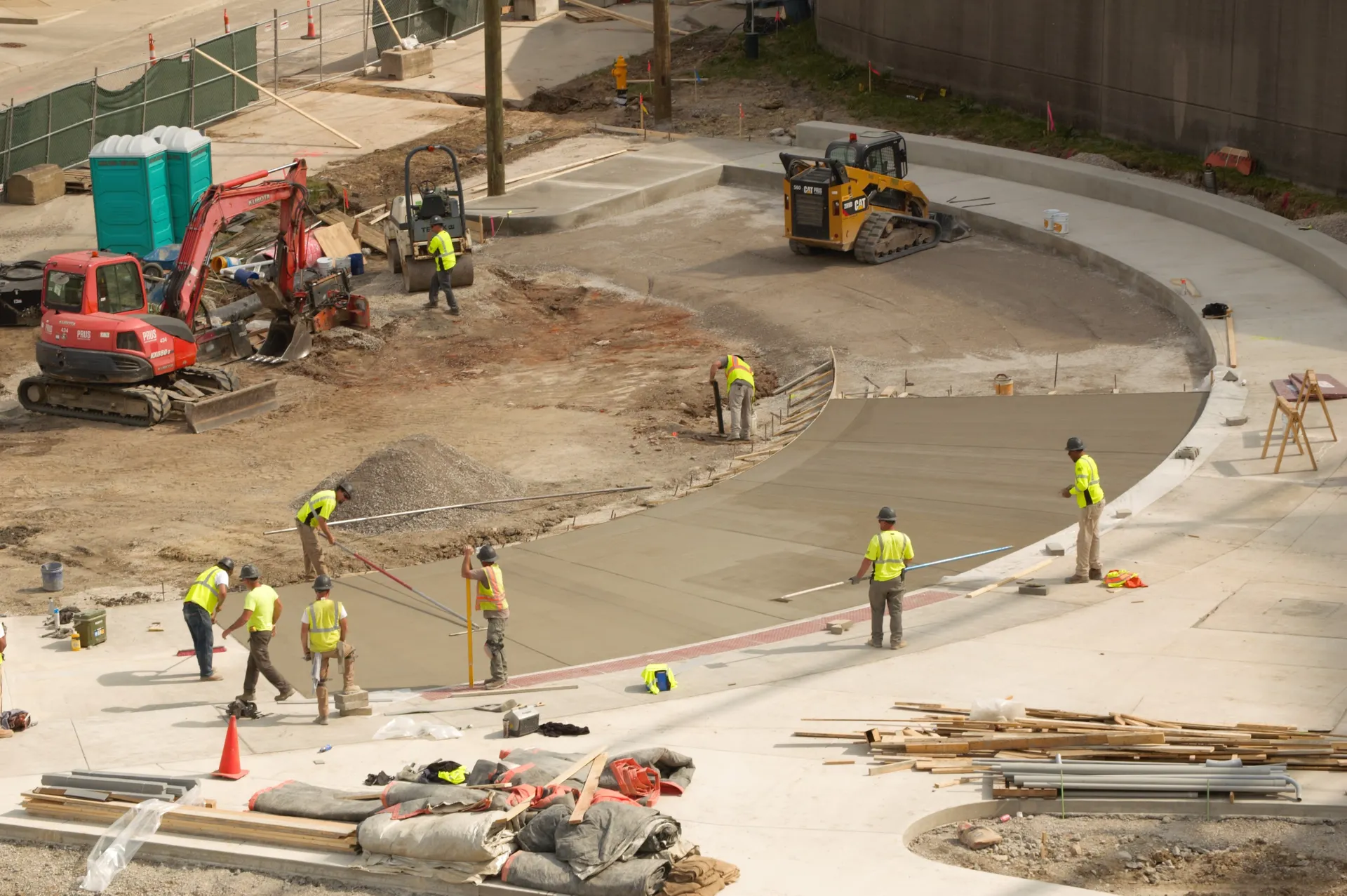
Get Your Concrete Repaired or Resurfaced Right
Crack repair, slab jacking, and resurfacing — matched to the actual damage. Call (817) 207-5313 for a fast, honest quote.
(817) 207-5313