Concrete Contractor · Fort Worth, TX
Concrete Driveways in Fort Worth, TX
Concrete & Paving South Fort Worth coordinates new concrete driveways for homeowners and property managers across Fort Worth's south side, Forest Hill, Benbrook, and Crowley — 15 years of local coordination, with calls answered 24 hours a day at (817) 207-5313. A driveway is the single biggest concrete pour most homeowners ever order, and three decisions made before a truck ever shows up — base prep, reinforcement, and finish — are what decide whether it's still solid in fifteen years or cracking within three.
Tarrant County sits on expansive shrink-swell 'black gumbo' clay, weathered from the Cretaceous Eagle Ford and Woodbine formations, with clay content that often tops 50%. That clay swells when the ground is wet and shrinks hard through a dry Texas summer, moving several inches a year underneath everything poured on top of it. A driveway placed on an undercompacted or unstabilized subgrade heaves, settles, and cracks along random lines instead of the control joints cut to hide it.
This page covers new driveway installation, removal and replacement, and decorative finishes — exposed-aggregate and ribbon/strip driveways — priced and built for South Fort Worth's clay. If the driveway is already poured and it's cracked, spalling, or settling, that repair work is covered on the concrete repair page instead; and if the goal is a stamped, colored pattern rather than plain or exposed-aggregate finish, stamped concrete covers pattern and color options in more depth than this page does.
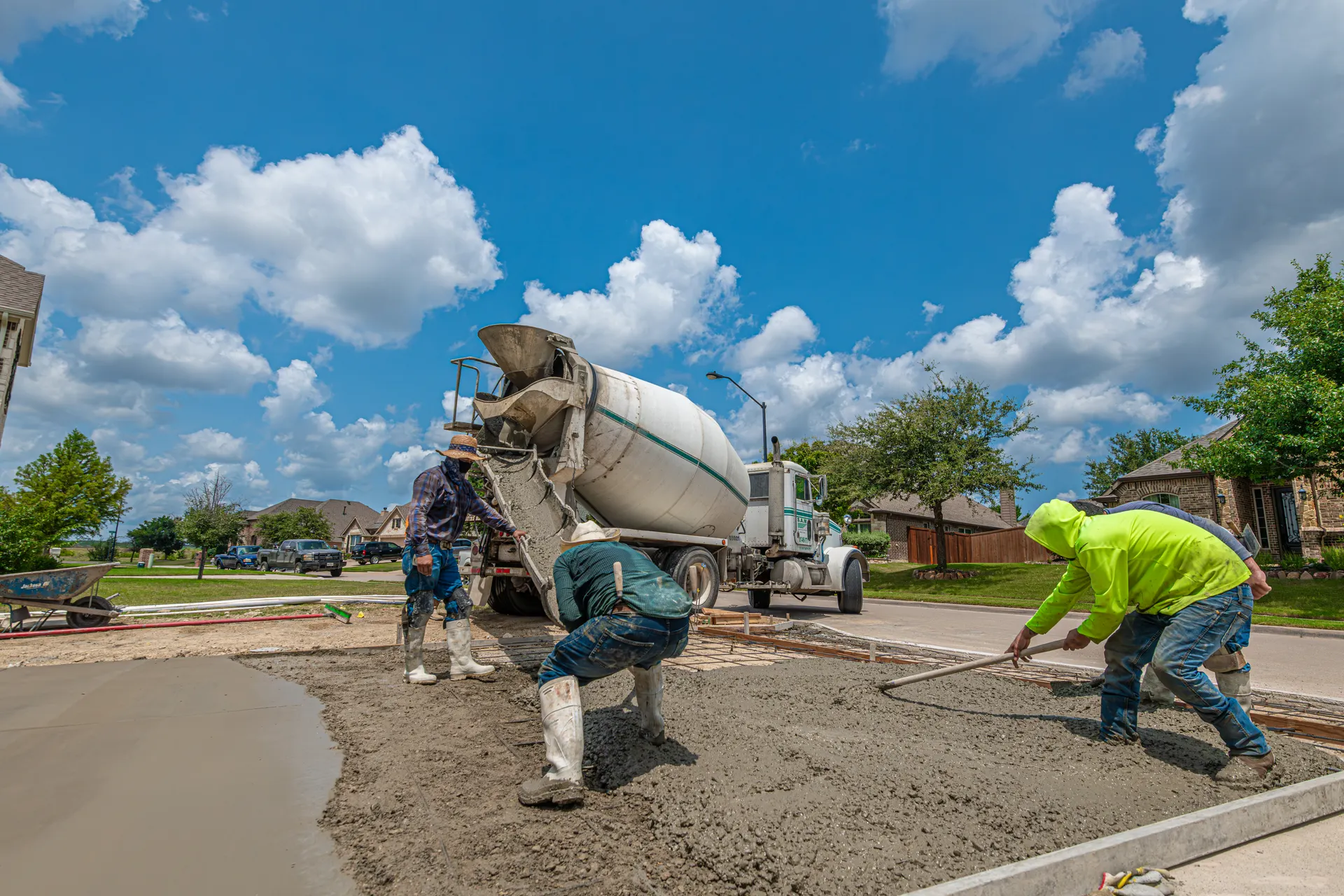
Every driveway job runs the same sequence: evaluate the site and existing surface, demolish and haul off anything being replaced, excavate and compact a stable base, form and reinforce with rebar or welded-wire mesh, then pour, finish, and cut control joints before the concrete cures. The concrete crews we coordinate with pour to ACI standards, and price the job as one written number after walking the site — not a phone guess.
What We Do
Our Concrete Driveway Services in Fort Worth
A driveway job is new construction, a tear-out and repour, or a decorative upgrade — each one gets scoped differently. Here's how the coordinated crews handle each.
New Driveway Installation
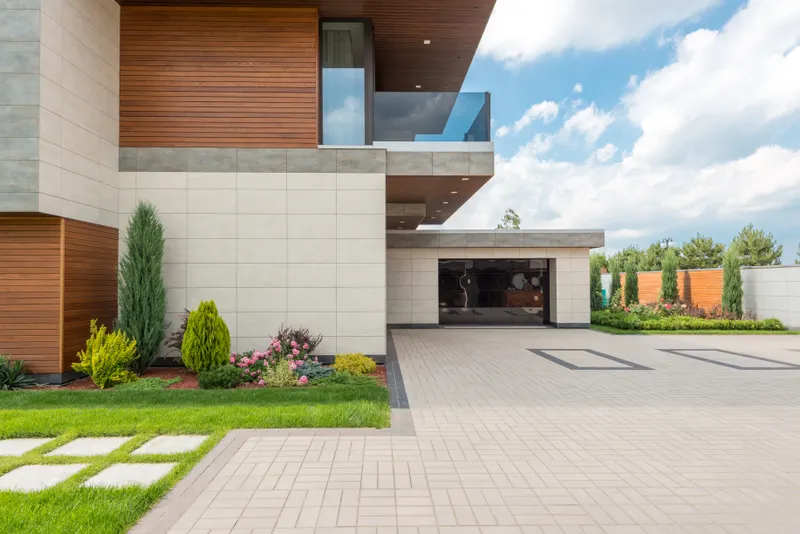
A new residential driveway typically runs $8 to $15 per square foot installed and takes 1 to 3 days on site — excavation and grading, a compacted aggregate base, then a reinforced pour finished to broom or smooth texture. Gravel-to-concrete conversions and driveway widening jobs follow the same sequence, scaled to the footprint.
Thickness and reinforcement get sized to the load: a passenger-vehicle driveway runs a lighter slab than one that also carries a delivery truck or RV, decided before forms go in.
Driveway Removal & Replacement
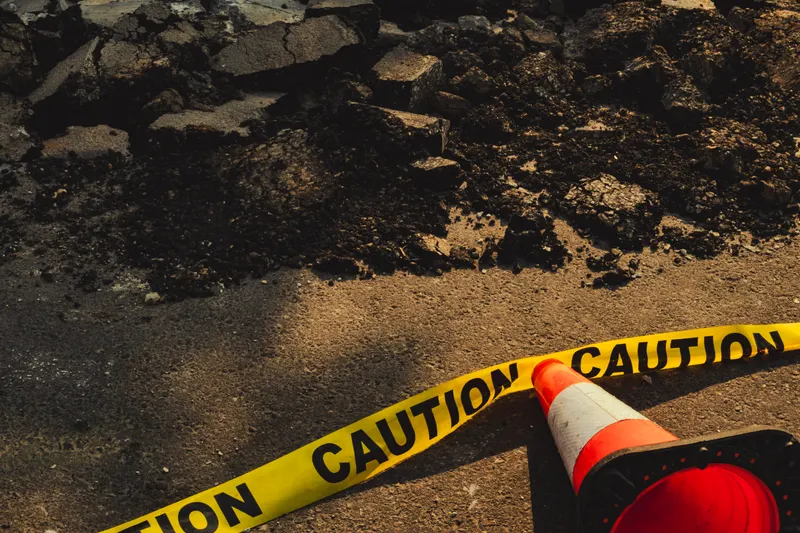
An old driveway that's heaved, cracked, or settled unevenly on shifting clay usually isn't a patch job — it's demolition, haul-off, and a fresh pour on a rebuilt base. Removal and haul-off runs $2 to $6 per square foot on top of the new-pour cost, and the old slab's failure pattern usually shows what went wrong with the base the first time.
Replacing also means the new slab gets correctly spaced control joints and reinforcement the original may have skipped, so it isn't repeating the same failure.
Exposed-Aggregate & Ribbon/Strip Driveways
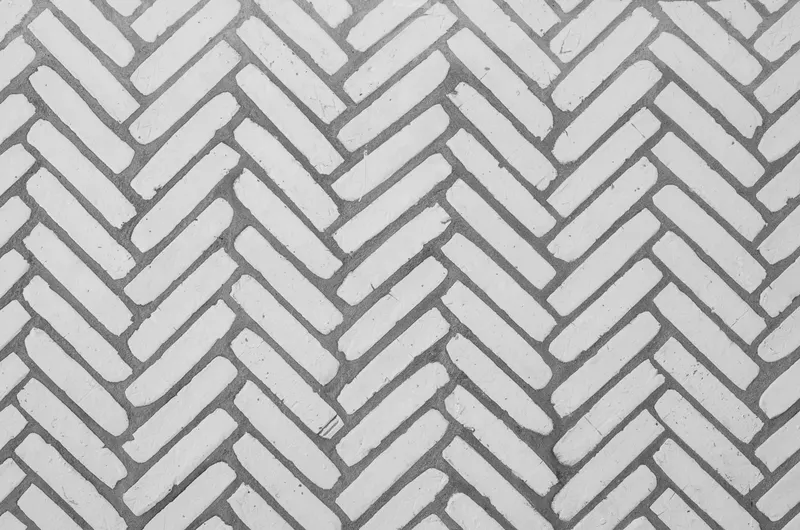
Exposed-aggregate finish washes away the surface paste to reveal the stone inside the mix for a textured, slip-resistant surface that costs more than plain broom finish but wears distinctively instead of looking like every other gray slab on the block. Ribbon or strip driveways — two poured tracks under the tires with grass, gravel, or pavers between them — cut material cost on a long or wide approach while still handling daily vehicle loads.
Both options get quoted alongside a standard full-slab estimate so the cost and maintenance trade-offs are clear before the pour, not after.
The Benefits
Why Base Prep and Reinforcement Decide a Driveway's Lifespan
Three decisions made before the pour — not the mix design — are what separate a driveway that's still solid at fifteen years from one that's already cracking at three.
Base Prep Built for Black Gumbo Clay
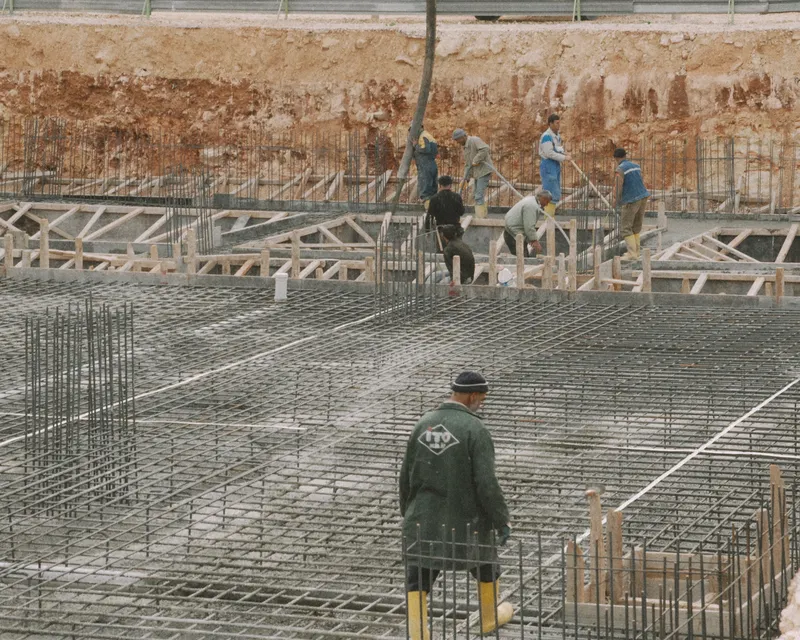
South Fort Worth, Forest Hill, Benbrook, and Crowley all sit on the same high-plasticity clay, and it moves seasonally whether or not a driveway is poured on top of it. Excavating to the correct depth, grading for drainage, and compacting an aggregate base course before forms go in gives the slab a stable platform to flex on instead of a subgrade that shifts unevenly underneath a rigid pour.
Skipping or shorting this step is the single most common reason a new driveway starts cracking well before it should.
Reinforcement Sized to the Load — Rebar vs. Mesh
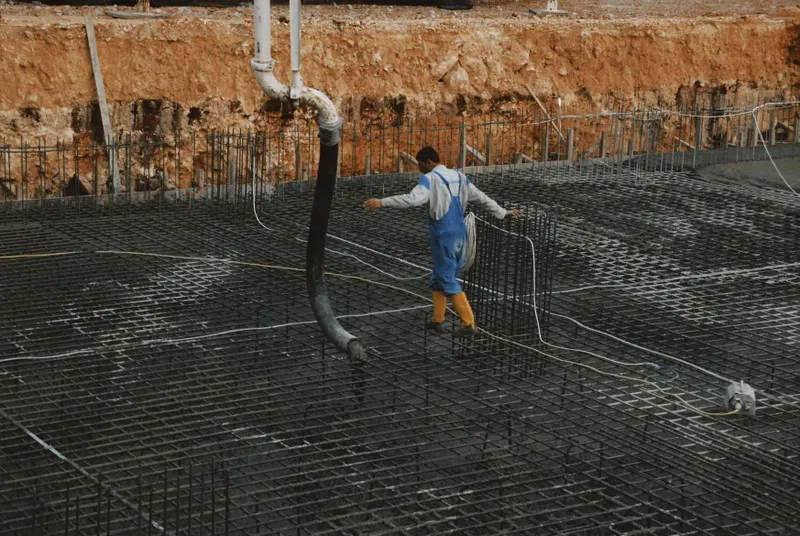
Welded-wire mesh is standard for a light residential driveway carrying passenger vehicles, while rebar-reinforced concrete is the right call for anything heavier — a driveway that also serves a work truck, RV, or boat trailer, or a slab poured thinner than the standard section. Fiber reinforcement is sometimes added to either for extra crack resistance in the first days of cure.
Getting reinforcement right matters more here than in most markets, because it's what lets a slab resist seasonal clay movement instead of cracking with it.
Finish and Cure Done to the 70-in-7 Standard
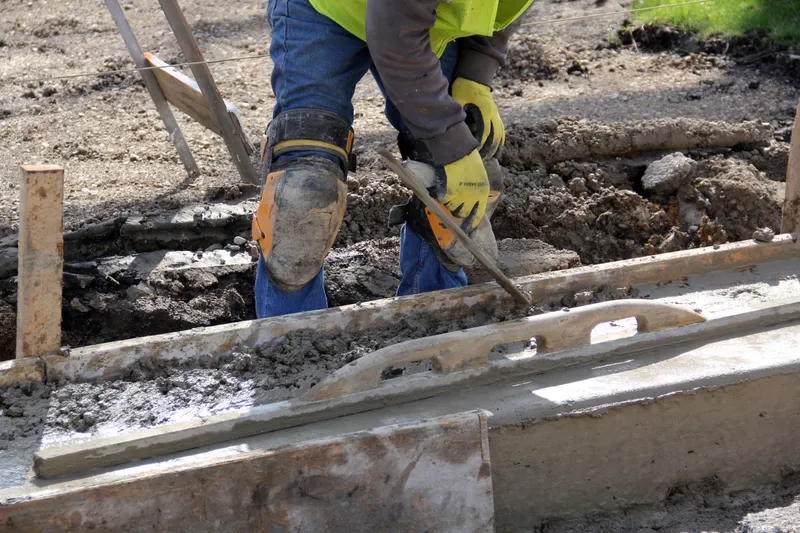
Concrete reaches roughly 70% of its design strength at 7 days and full strength at 28 — the '70-in-7' rule that governs when a new driveway is safe for light vehicle traffic (about a week) versus heavy loads (the full 28 days). Control joints get cut at the right spacing while the concrete is still workable so the slab cracks where it's supposed to, not at random.
Cure slows sharply below 50°F, so cold-weather pours get extra protection and a longer wait before traffic.
Why Us
Why South Fort Worth Chooses Us for Concrete Driveways
Fifteen years of coordinating driveway pours on North Texas's toughest soil means the base and reinforcement get built right before a single yard of concrete shows up.
Crews Who Pour to ACI Standards
Some driveway jobs get poured straight onto graded dirt to save a day. The concrete crews we coordinate with excavate, compact, and reinforce every driveway to ACI 318 and ACI 332 residential standards, because a driveway built that way on expansive clay outlasts one where a crew skipped straight to the pour.
Priced as One Written Number, Not a Phone Guess
Square footage, thickness, reinforcement, tear-out, and finish all change the price, so the crews walk the site and quote the job as a single itemized number before any work starts, instead of a range that grows once the truck arrives.
Scheduled Around Fort Worth Heat and Storm Season
Concrete placed below 50°F cures far more slowly, and a summer storm rolling through South Tarrant mid-pour can ruin a finish. Calls come in 24 hours a day at (817) 207-5313 so scheduling can work around the weather window that's actually right for the pour.
Not sure whether a full driveway replacement or a repair is the right call for a cracking or settling slab? The concrete repair page covers crack, spall, and joint repair, and if the goal is a stamped pattern or color rather than a plain or exposed-aggregate finish, stamped concrete covers those options in depth. For the full list of what gets coordinated across Forest Hill, Benbrook, Crowley, and the wider Fort Worth metro, see our services — it's the same South Fort Worth concrete crew network behind every job on this page.
Frequently Asked Questions
How much does a new concrete driveway cost in Fort Worth?
A new concrete driveway typically runs $8 to $15 per square foot installed, or $12 to $25 for a stamped or exposed-aggregate finish, depending on footage, thickness, and site access. Reinforcement choice and how much base prep Tarrant County's expansive clay needs both move the number too. Removal of an existing driveway adds $2 to $6 per square foot on top. We quote the exact price after walking the site, not over the phone.
How long before I can drive on a new concrete driveway?
Plan on about 7 days before regular passenger-vehicle traffic and the full 28 days before heavy loads like an RV or delivery truck — concrete reaches roughly 70% of its design strength at 7 days and full strength at 28, the '70-in-7' rule. Light foot traffic is fine after 24 to 48 hours. Cure slows sharply below 50°F, so a cold-weather pour needs longer before it's ready for full loads. We walk through the exact timeline before work starts.
Why does base prep matter so much for a driveway here?
South Fort Worth, Forest Hill, Benbrook, and Crowley all sit on expansive black gumbo clay weathered from the Eagle Ford and Woodbine formations, with clay content that frequently exceeds 50% in Tarrant County. That clay swells when saturated and shrinks hard through a dry Texas summer, moving several inches seasonally regardless of what's poured on top. A properly excavated, graded, and compacted aggregate base gives a new driveway a stable platform that resists that movement instead of heaving and cracking with it within a year or two.
Should my driveway use rebar or welded-wire mesh?
Welded-wire mesh is the standard, more affordable reinforcement for a light residential driveway carrying passenger vehicles. Rebar is the better call for a driveway that also carries a work truck, RV, or boat trailer, since it holds position better through the pour. Fiber reinforcement is sometimes added for extra crack resistance. We size reinforcement to the actual load, not a default.
Can you remove and replace my old, cracked driveway?
Yes — removal and replacement runs $2 to $6 per square foot for demolition and haul-off on top of the new-pour cost, and it's usually the right call when a slab has heaved, cracked through in multiple places, or settled unevenly on shifting clay. The old slab's failure pattern typically shows exactly what went wrong with the original base, which the crew corrects before the new pour goes in. Replacing also means the new driveway gets correctly spaced control joints and reinforcement the original may have skipped.
What's the difference between exposed-aggregate and a plain driveway?
Plain broom-finish concrete is troweled smooth and dragged with a broom for slip resistance, while exposed-aggregate finish washes away the top layer of paste to reveal the stone inside the mix for a textured, distinctive surface. Exposed-aggregate typically costs more than plain flatwork — closer to the $12 to $25 per square foot stamped range than the $8 to $15 plain range — but it wears more gracefully and hides minor surface wear better than a smooth gray slab. Both get quoted as options during the same site visit.
What's a ribbon or strip driveway, and does it work on a regular lot?
A ribbon or strip driveway pours two narrow concrete tracks under the tires, with grass, gravel, or pavers filling the space between and outside them, instead of one continuous slab. It cuts material cost on a long or wide approach while still handling daily passenger-vehicle loads, and it's a common option for a rural-feeling lot in Crowley or Benbrook where a full slab isn't necessary. The trade-off is less usable flat surface for parking multiple vehicles side by side, which we walk through before recommending it.
Do I need a permit to pour a new driveway in Fort Worth?
It depends on which city the property sits in — Fort Worth, Forest Hill, Benbrook, and Crowley each run their own building or permitting department that handles driveway approach approvals inside city limits, rather than routing through Tarrant County. Requirements can also depend on whether the driveway connects to a city street, county road, or state highway right-of-way like US-287 or FM 1187. Unincorporated pockets fall under Tarrant County jurisdiction instead of a city department. We confirm what's required for the specific address before work starts.
What causes a concrete driveway to crack, and can it be prevented?
Most driveway cracking on Tarrant County's expansive clay traces back to inadequate base compaction, undersized reinforcement, or control joints spaced too far apart. Hairline cracking at control joints is normal — it's the joint doing its job — but wide, offset, or random cracking means the base moved underneath the slab. Proper excavation, compaction, and correctly spaced reinforcement prevent it. A driveway built that way holds up for 15 years or more.
How thick should a residential driveway be?
A standard passenger-vehicle driveway needs a lighter slab than one that also carries a delivery truck, RV, or boat trailer — thickness depends on the load, subgrade, and whether rebar or mesh is used. Pouring too thin to save material is a common shortcut that leads to early cracking on expansive clay. We specify thickness and reinforcement together after evaluating the site. Get the exact spec with a call to (817) 207-5313.
Concrete vs. asphalt vs. pavers — which is best for a Fort Worth driveway?
Concrete lasts longer between repairs than asphalt and looks cleaner for finishes like exposed-aggregate or stamping, though it costs more upfront — roughly $8 to $15 per square foot. Pavers offer the most repair flexibility since one damaged section can be swapped without a full tear-out, but cost more and can shift on unstable clay if the base isn't compacted right. Asphalt is more forgiving of ground movement but wears faster. We'll walk through the trade-offs during the quote.
Get Your Concrete Driveway Poured Right
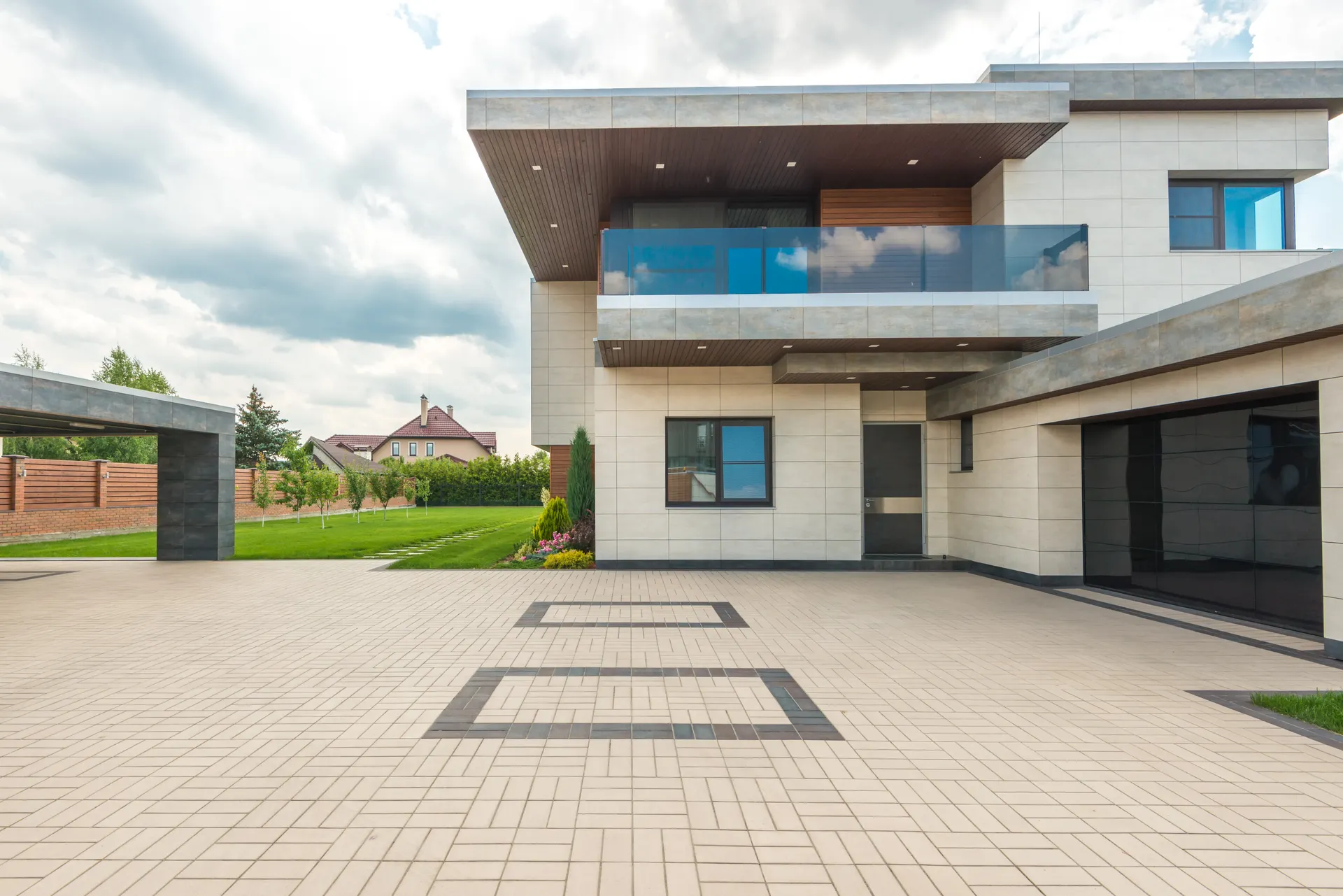
New driveways, removal and replacement, exposed-aggregate and ribbon finishes — poured over a base built for our clay. Call (817) 207-5313, 24 hours a day.
(817) 207-5313