Concrete Contractor · Fort Worth, TX
Sidewalks & Walkways in Fort Worth, TX
Concrete & Paving South Fort Worth coordinates concrete sidewalks, garden paths and walkways, ADA ramps and approaches, and curb and gutter work across Forest Hill, Benbrook, Crowley, and the wider Fort Worth metro — 15 years of local concrete coordination, calls answered 24 hours a day at (817) 207-5313. A sidewalk gets walked on every day, which makes it one of the least forgiving pieces of concrete on a property when it's built wrong.
This page leads with safety and code, not curb appeal, because that's what a walking surface actually is. A lifted joint that catches a toe, a ramp graded steeper than the ADA Standards for Accessible Design allow, a public sidewalk section a city inspector flags after a resident complaint — these are the failure modes that matter here, ahead of finish and pattern. Every sidewalk, path, and ramp coordinated through this page gets built to the slope, width, and landing dimensions the code actually requires, not just what looks passable.
Tarrant County's expansive 'black gumbo' clay is the reason so many South Fort Worth sidewalks lift and crack years before a driveway shows the same wear — a thinner slab with less surface area to distribute seasonal soil movement telegraphs cracking faster. Correct control-joint spacing, a compacted base, and welded-wire reinforcement are what keep a new walkway flat instead of becoming next year's trip-hazard complaint.
Sidewalks run $7 to $17 per square foot installed depending on width, base condition, and whether an existing section needs demolition first. When South Fort Worth homeowners and property managers need a walkway that passes inspection and stays flat, the coordinated crews are a call away at (817) 207-5313.
What We Do
Our Sidewalks & Walkways Services in Fort Worth
Four jobs live under this page, each with its own code and layout requirements. Here's how the coordinated crews scope each one before the first form goes in the ground.
Residential Sidewalks
Public-facing sidewalks along a property's street frontage typically run 4 feet wide at a 4-inch slab thickness, poured to the grade and cross-slope the city right-of-way requires. Existing sidewalks lifted or cracked at the joints from clay heave get sections cut out and repoured rather than patched over, since a patch on a moving joint just relocates the trip hazard six months later.
For the driveway itself rather than the walk beside it, see concrete driveways.
Garden Paths & Walkways
Backyard and side-yard paths connecting a patio, gate, or garden bed carry lighter foot traffic than a street sidewalk, so they're often poured at 3 to 3.5 inches with a broom or exposed-aggregate finish for slip resistance underfoot. Curved layouts and stepping-stone patterns are common here since these paths aren't held to the straight-line right-of-way standard a public sidewalk is.
Most jobs run 1 to 2 days on site once the excavation and forms are set, matching the timeline for a standard sidewalk of similar footage.
ADA Ramps, Approaches & Curb & Gutter
ADA-compliant ramps require a running slope no steeper than 1:12, a level landing at the top and bottom, and detectable warning surfaces at street crossings — dimensions the coordinated crews form and pour to spec rather than eyeballing a curb cut. Curb and gutter replacement along a driveway approach or lot edge is scoped and poured the same visit when it's part of the job.
Businesses and property managers handling a commercial ADA upgrade should also see commercial concrete for lot-wide accessibility scope.
The Benefits
Sidewalks & Walkways Benefits
A sidewalk built to spec does more than look finished — it removes a liability, passes inspection the first time, and holds its grade through another Texas summer.
Trip-Hazard Liability, Handled
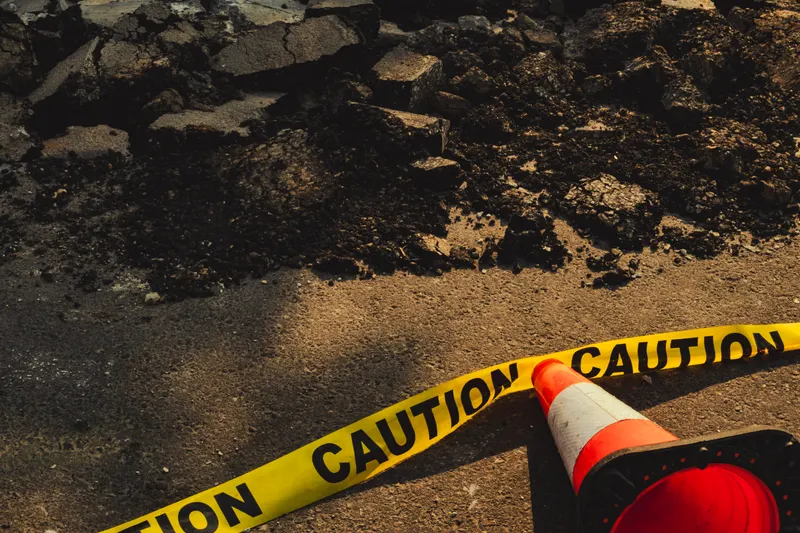
A single lifted joint on a front walkway is the kind of small thing that becomes a real problem after a fall — and in most South Fort Worth cities, the adjacent property owner carries responsibility for the sidewalk's condition. Sections poured with proper control joints and a compacted base stay flush instead of lifting at the seams where clay movement concentrates its force.
ADA Compliance That Passes Inspection
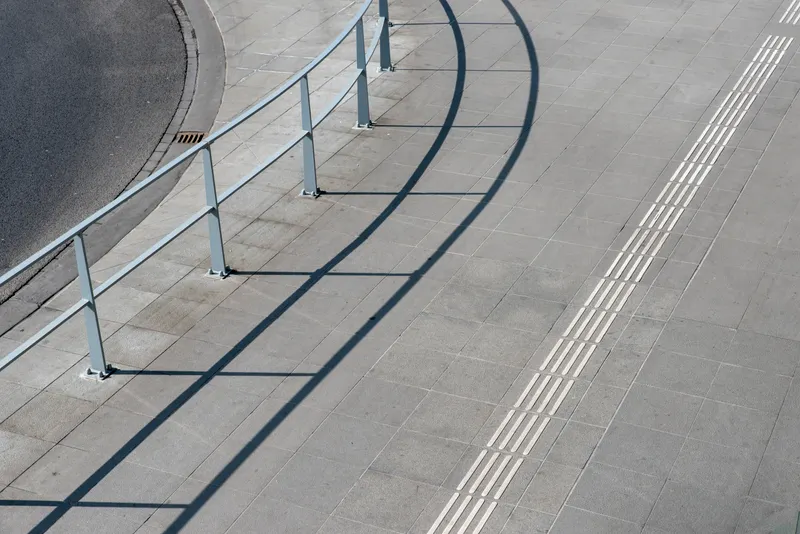
A ramp poured a half-inch too steep or a landing a few inches short fails inspection and gets torn out and repoured at the owner's expense. Building to the ADA Standards for Accessible Design from the first form-and-pour saves that rework, which matters most on commercial and multi-family properties where an inspector actually checks.
Built to Hold Its Grade on Expansive Clay
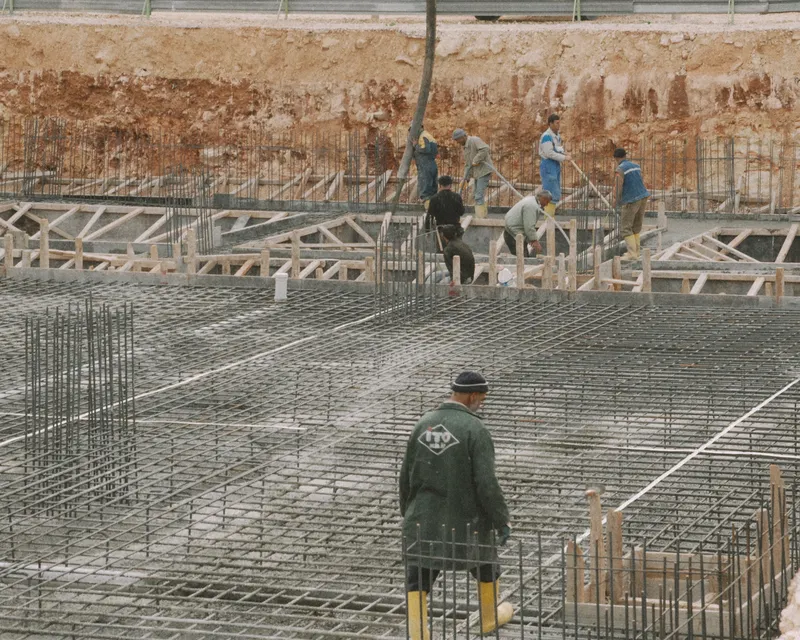
Welded-wire mesh and correctly spaced control joints — typically 2 to 3 times the slab thickness in feet — give a thin walkway slab the reinforcement to move with Tarrant County's shrink-swell clay instead of cracking against it. That's the difference between a sidewalk still flat at year fifteen and one that's already heaved by year three.
Why Us
Why South Fort Worth Chooses Us for Sidewalks & Walkways
Fifteen years of pouring walking surfaces on North Texas clay means the slope gets checked before the concrete truck ever backs in.
ACI-Standard Finish Work
The concrete crews coordinated here pour flatwork to ACI Flatwork Finisher standards — the finish quality and slope tolerance a walking surface actually needs, not a rough afternoon pour.
South Fort Worth Code Knowledge
From Benbrook's Building Inspections department to Forest Hill's Permits & Applications office, sidewalk and approach work inside city limits typically routes through the local building department rather than Tarrant County directly, with unincorporated pockets falling under county jurisdiction instead. Confirming the right office before the first form goes in avoids a redo.
Fixed-Price Quotes, No Surprise Change Orders
An on-site evaluation of the existing surface, base condition, and any demolition needed comes back as one written number, not a range that grows once the old sidewalk is broken out. That's the same transparency standard applied to every job coordinated through this page.
Not sure whether a driveway apron or the sidewalk beside it is the right scope for your project? The concrete driveways page covers new driveway construction and approach paving, and lot-wide ADA ramp and curb work for businesses and property managers lives on the commercial concrete page. For the full list of what gets coordinated across Forest Hill, Benbrook, Crowley, and the rest of the South Fort Worth service area, see our services — it's the same South Fort Worth concrete crew network behind every sidewalk, ramp, and walkway on this page.
Frequently Asked Questions
How much does a new concrete sidewalk or walkway cost in Fort Worth?
Concrete sidewalks and walkways typically run $7 to $17 per square foot installed, with the wide range driven by slab thickness, width, reinforcement, and whether an existing section needs to be demolished and hauled off first. A standard 4-foot-wide residential sidewalk section costs less per square foot than a decorative garden path with a stamped or exposed-aggregate finish. Sites needing significant base repair on Tarrant County's expansive clay run toward the higher end of that range. We quote the exact number after an on-site evaluation rather than a phone estimate.
What does ADA compliance actually require for a ramp or approach?
The ADA Standards for Accessible Design cap a ramp's running slope at 1:12 — one inch of rise for every 12 inches of run — and require a level landing at least 5 feet long at the top and bottom of any ramp run. Detectable warning surfaces, the truncated-dome pattern you feel underfoot at street crossings, are required where a ramp meets a vehicular way. Cross-slope on the ramp surface itself is capped even tighter, around 1:48, to keep it usable for a wheelchair without drifting sideways. Getting these dimensions right the first time avoids a failed inspection and a costly tear-out.
Who's responsible for a cracked or lifted public sidewalk in front of my house?
In most South Fort Worth cities, the adjacent property owner is responsible for maintaining the sidewalk section along their frontage, even though it sits in the public right-of-way, and a resident complaint or code inspection can trigger a repair order. A lifted joint that trips a pedestrian creates real liability exposure for that owner, not just an eyesore. We evaluate the full run, not just the visibly cracked panel, since one lifted joint on expansive clay usually means neighboring joints are close behind it. Getting ahead of it with a proper repour is cheaper than waiting for a complaint.
Do I need a permit for sidewalk or walkway work in Fort Worth and its suburbs?
It depends on the city. Benbrook issues driveway and sidewalk permits through its Building Inspections department, Forest Hill routes them through its Permits & Applications office, and Crowley handles them through Development Services / Building Inspections — each a separate municipal process rather than a single Tarrant County system. Work in unincorporated pockets of the county falls under Tarrant County jurisdiction for permitting instead of a city building department. Requirements can also shift depending on whether the sidewalk connects to a city street, county road, or state right-of-way, so we confirm the specific issuing authority for the address before work starts.
Why do sidewalks crack and lift faster than a driveway on the same property?
A residential sidewalk is typically poured thinner than a driveway, often around 4 inches versus 5 or more, with less total slab mass and surface area to resist the seasonal movement of Tarrant County's shrink-swell black gumbo clay. That thinner cross-section flexes and cracks sooner when the clay underneath swells wet and shrinks through a dry Texas summer. Correct control-joint spacing, generally 2 to 3 times the slab thickness in feet, and welded-wire mesh reinforcement both slow that failure significantly. A sidewalk built without either one is the fastest path to a lifted joint within a few seasons.
How long before a new sidewalk or walkway can be walked on?
Light foot traffic is generally safe 24 to 48 hours after the pour, once the surface has set and cooled enough to hold weight without marking. Full design strength doesn't arrive until 28 days, following the industry '70-in-7' curve where concrete reaches roughly 70% of its rated strength at 7 days. A driveway apron or ADA approach that also carries vehicle crossings needs the longer cure before regular traffic. We flag the exact timeline for each job at the walkthrough since cure speed also depends on temperature and weather.
What's the difference between a sidewalk, a garden path, and a driveway apron?
A public sidewalk follows city right-of-way standards for width, slope, and grade since it's part of the pedestrian network along the street. A garden or backyard path carries lighter foot traffic and has far more design freedom — curves, stepping-stone layouts, decorative finishes — since it isn't held to that same standard. A driveway apron is the transition slab where a driveway meets the street or sidewalk, built to handle vehicle loading rather than foot traffic alone; that scope lives on our [concrete driveways](/concrete-driveways) page rather than here.
Can you repair just the lifted section of a sidewalk, or does the whole run need replacing?
Often just the affected panels. If one or two joints have lifted from clay movement but the rest of the run is flat and sound, we cut and remove those sections and repour them to match grade, which is faster and cheaper than a full replacement. If multiple panels along the run show the same lifting pattern, that usually signals a base or drainage problem affecting the whole section, and patching individual panels just delays the next failure. We evaluate the full length before quoting so the fix addresses the actual cause rather than the symptom.
What is curb and gutter work, and when does it come with a sidewalk job?
Curb and gutter is the poured concrete edge and drainage channel that runs along a street, driveway approach, or parking area, directing stormwater away from the pavement and subgrade below. It's often scoped alongside a driveway apron replacement or a commercial sidewalk project since both involve tearing out the same section of concrete at the property line. Damaged or settled curb and gutter left in place can redirect water back toward a new sidewalk's base, undermining it even after a good repour. We flag curb and gutter condition during the walkthrough whenever it borders a sidewalk or approach job.
Do garden paths and walkways need the same reinforcement as a public sidewalk?
A lighter-traffic garden path can usually get by with a thinner slab and lighter reinforcement than a street-facing sidewalk, since it isn't carrying the same foot-traffic volume or right-of-way inspection standard. That said, any path crossing an area with visible clay movement or tree root activity still benefits from welded-wire mesh and properly spaced control joints, since decorative finishes like stamped or exposed-aggregate concrete show cracking more visibly than a plain broom finish. We scope reinforcement based on the specific site rather than applying a blanket standard to every path.
Do commercial properties have different ADA sidewalk requirements than homes?
Yes. Commercial and multi-family properties are held to a stricter accessibility inspection standard since the ADA Standards for Accessible Design apply to any place of public accommodation, not just a private residence's front walk. That typically means more ramps, more detectable warning surfaces at crossings, and wider clear paths through parking areas than a single-family sidewalk needs. Property managers coordinating a lot-wide accessibility upgrade should see our [commercial concrete](/commercial-concrete) page, which covers ADA ramps and bollard pads at that scale.
Get Your Sidewalk or Walkway Scoped and Scheduled
Residential sidewalks, garden paths, ADA ramps, curb & gutter — call (817) 207-5313, 24 hours a day.
(817) 207-5313